
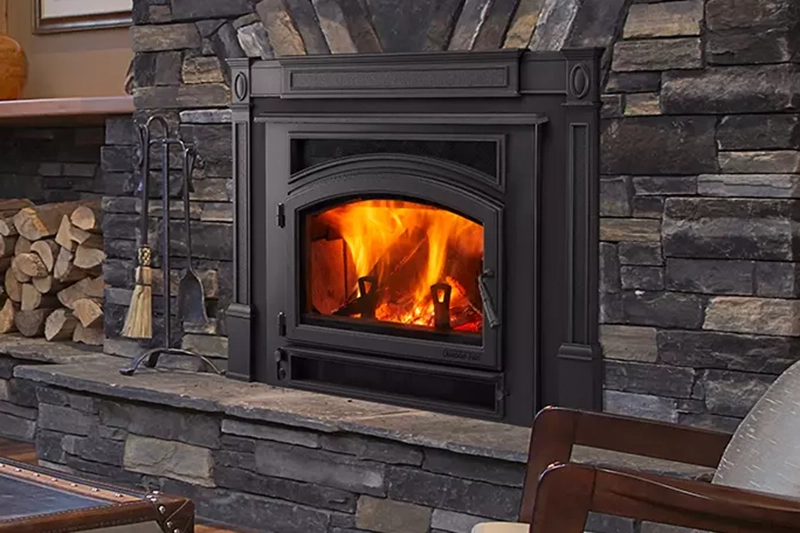
Are Gas Fireplaces Safe?
Gas fireplaces are widely considered a safe, reliable, and efficient way to heat your home—especially when they’re properly installed, used as intended, and maintained over time. Modern gas fireplace technology has come a long way, with built-in safety systems designed to protect both your home and indoor air quality.
Need service for your gas fireplace? Connect with Fireside Home Solutions and we'll be happy to lend a hand.
Why Modern Gas Fireplaces Are Considered Safe
The majority of gas fireplaces and gas fireplace inserts installed today are direct vent systems. These are designed as sealed units that operate independently from your home’s indoor air.
Here’s why that matters:
- All combustion air is drawn from outside
- All exhaust gases are vented back outside
- The firebox is completely sealed behind glass
Because the system is balanced and sealed, direct vent gas fireplaces deliver consistent heat while maintaining healthy indoor air quality. This design significantly reduces the risks associated with smoke, fumes, or carbon monoxide entering your living space.
Understanding Fireplace Glass Safety
One of the most important—and often overlooked—safety considerations with gas fireplaces is hot glass.
Direct vent gas fireplaces and inserts use a sealed glass front made from tempered or ceramic glass. During normal operation, this glass can reach temperatures well over 400°F. Touching it can cause serious burns.
What makes this especially important is that:
- The glass can remain dangerously hot for up to an hour after the fireplace is turned off
- Thermostat-controlled fireplaces may shut off automatically, making it less obvious the unit was recently in use
To address this risk, updated safety standards now require many gas fireplaces to include protective barrier screens designed to prevent accidental contact with hot glass.
Safety Standards and Barrier Screens Explained
The American National Standards Institute (ANSI) updated fireplace safety requirements to address hot glass injuries—particularly for children and older adults.
As a result:
- Most direct vent gas fireplaces manufactured since 2015 are required to include a safety barrier
- These barriers are designed to reduce burn risk while still allowing heat and flame visibility
If your fireplace already has a factory-installed safety screen, it’s important to leave it in place. Removing it increases the risk of accidental injury.
If your fireplace does not have a built-in barrier, there may still be options available, including manufacturer-approved retrofit screens or professionally designed protective barriers.
Are Ventless Gas Fireplaces Safe?
This is one of the most common questions homeowners ask: are ventless gas fireplaces safe?
Ventless (also called vent-free) gas fireplaces operate differently than direct vent models. They do not vent exhaust outside. Instead, they are engineered to burn gas very cleanly and release heat directly into the room.
Ventless gas fireplaces include multiple built-in safety features, such as:
- Oxygen depletion sensors (ODS) that automatically shut the unit off if oxygen levels drop
- Strict limits on heat output
- Automatic shutoff controls
When installed according to manufacturer guidelines and local building codes, ventless gas fireplaces are generally considered safe. However, they are regulated differently depending on location and may not be allowed in every state or every room of the home.
Because vent-free fireplaces rely on indoor air, professional guidance is especially important when deciding whether this option is right for your space.
Who Is Most at Risk Around Gas Fireplaces?
While anyone can accidentally touch hot glass, children and older adults are especially vulnerable. For that reason:
- Never leave young children unattended in a room with an active or recently used fireplace
- Educate everyone in the household about hot glass safety
- Use approved barriers or screens whenever possible
These precautions, combined with modern safety standards, go a long way toward preventing injuries.
Added Benefits of Fireplace Safety Screens
Beyond safety, barrier screens offer a few unexpected advantages:
- They reduce glare and reflections on the glass
- They soften the flame appearance, adding visual realism
- They mimic the look of traditional wood-burning fireplace screens
In many cases, safety barriers actually enhance the overall look of a gas fireplace rather than detract from it.
Final Thoughts on Gas Fireplace Safety
So, are gas fireplaces safe?
Yes—when professionally installed, used properly, and equipped with modern safety features, gas fireplaces are a safe and dependable heating option.
Whether you’re considering a direct vent fireplace, a gas insert, or exploring ventless options, the best next step is expert guidance.
At Fireside Home Solutions, our team helps homeowners throughout the Seattle and Portland areas choose gas fireplaces that balance comfort, efficiency, and safety. Visit one of our showrooms or contact us to learn more about gas fireplace options, safety features, and professional installation you can trust.