Open post
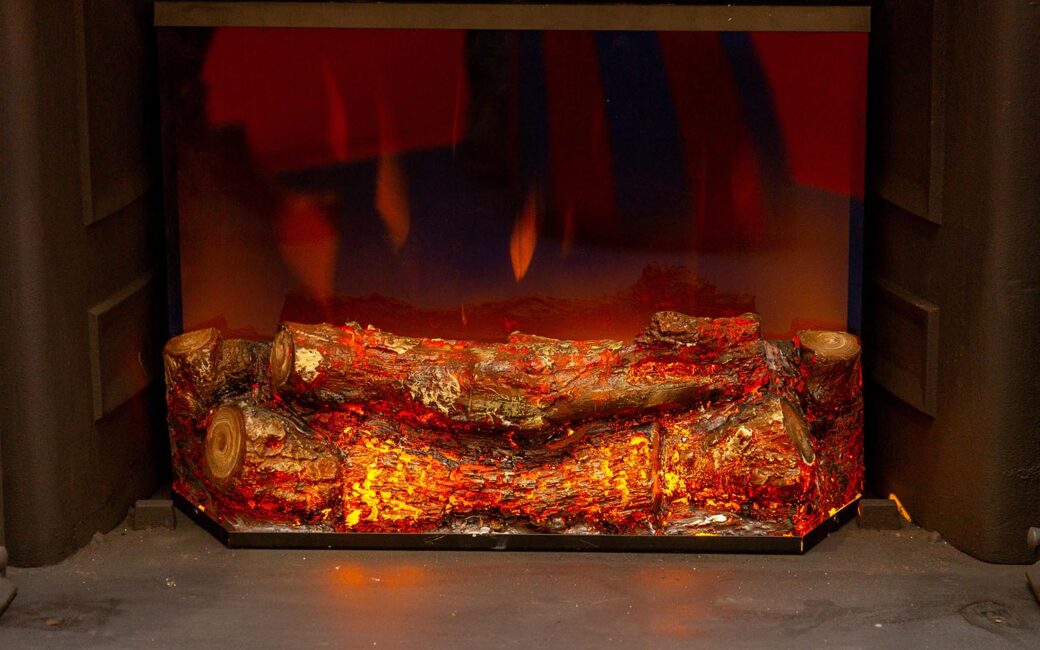
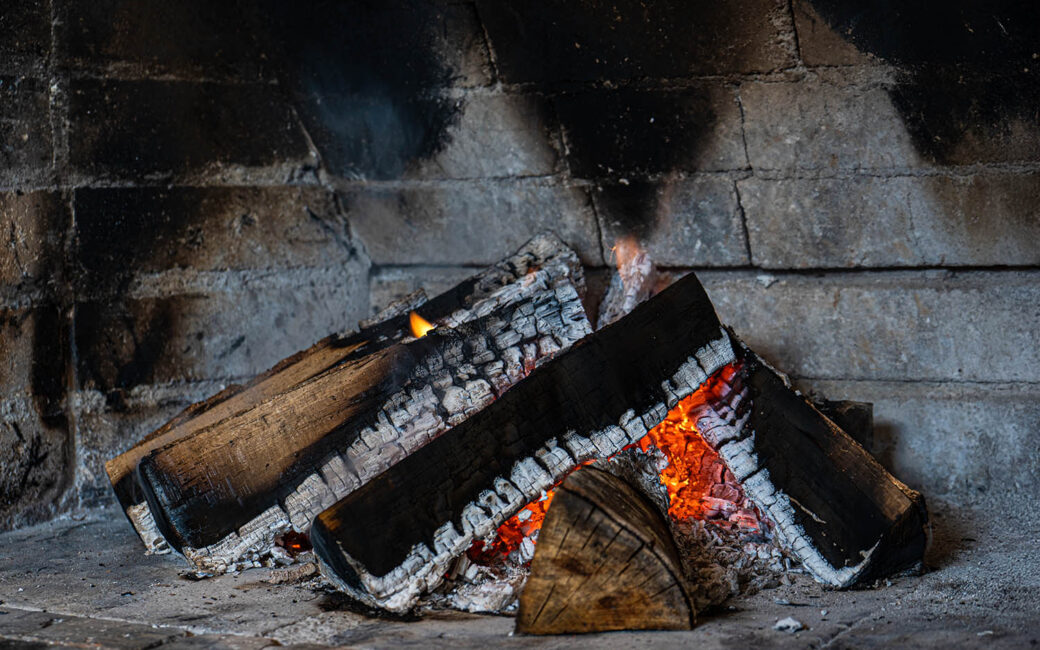
Flickering Effects Ceramic Wood Logs

What Are Gas Logs?

What Are Gas Logs?

If you love the look of a traditional fireplace but want a cleaner, more convenient experience, gas logs are a popular option worth exploring. Designed to replicate the appearance of real wood while offering the ease of gas operation, gas fireplace logs provide instant ambiance without the mess, maintenance, or prep work of a wood-burning fire.

Below, we’ll explain what gas logs are, how they work, and why many homeowners choose them as an alternative to traditional fireplaces or more complex gas systems.

SCHEDULE SERVICE NOW

What Exactly Are Gas Fireplace Logs?

Gas logs are specially designed ceramic or refractory logs that sit inside an existing fireplace and connect to a gas supply. When turned on, gas flows through a burner beneath the logs, producing realistic flames that wrap around and between the logs to mimic the look of a natural wood fire.

Gas logs are commonly installed inside:

  • Existing wood-burning fireplaces
  • Masonry or prefabricated fireplaces
  • Approved gas-ready fireboxes

Because they’re designed to work with your existing fireplace structure, gas logs are often one of the simplest ways to upgrade from wood to gas.

How Do Gas Logs Work?

Once installed, gas logs operate using a straightforward system:

  • Gas supply connection: The log set connects to your home’s natural gas or propane line.
  • Burner system: Gas flows through a burner designed to distribute flames evenly for a natural appearance.
  • Ignition method: Depending on the model, ignition may be manual, millivolt, or electronic.
  • Flame control: Some systems allow basic flame adjustment, while others are designed for steady, consistent output.

When activated, the flames rise through the logs, creating the visual appeal of a traditional fire — without hauling wood, cleaning ash, or dealing with smoke.

Vented vs. Vent-Free Gas Logs

Gas logs generally fall into two main categories:

Vented Gas Logs

Vented gas logs are installed in a fireplace with a working chimney or venting system. They produce highly realistic flames and glowing embers, closely resembling a wood fire. Because the chimney remains open, vented gas logs are designed primarily for ambiance rather than heating.

Vent-Free (Ventless) Gas Logs

Vent-free gas logs do not require a chimney and are designed to burn very efficiently. They release heat directly into the room, making them more effective for supplemental warmth. Like all vent-free systems, they must be installed according to manufacturer specifications and local building codes.

Choosing between vented and vent-free gas logs depends on your fireplace setup, heating goals, and local regulations — and professional guidance is key.

Why Homeowners Choose Gas Logs

Gas logs offer several advantages over traditional wood-burning fireplaces:

  • Convenience: Turn your fire on and off with a switch or remote
  • Low maintenance: No ash, soot, or chimney sweeping required
  • Clean operation: No smoke, sparks, or flying embers
  • Classic look: Enjoy the appearance of a wood fire without the work

They’re especially appealing for homeowners who want a cozy, traditional fireplace experience with modern simplicity.

Explore Gas Logs at Fireside Home Solutions

At Fireside Home Solutions, we help homeowners throughout the Seattle and Portland areas find gas fireplace products that fit their homes, lifestyles, and design preferences. Our showrooms feature a wide range of gas log styles, finishes, and flame presentations — so you can see the difference in person and explore what works best for your space.

Our experienced team can also help you understand installation requirements, venting considerations, and how gas logs compare to other gas fireplace options.

Ready to explore your options? Visit a Fireside Home Solutions showroom or contact our team to get expert guidance on choosing a fireplace product that brings comfort, convenience, and style to your home.

Open post
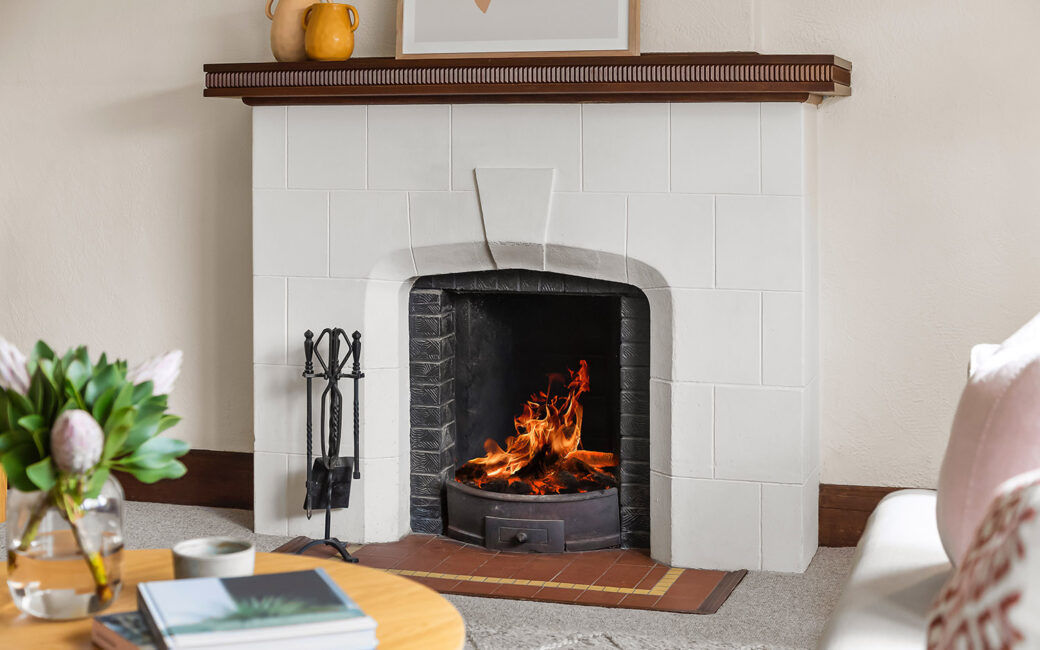
Flame and logfire in the fireplace

Vented vs. Ventless Gas Fireplaces: Which One Is Right for Your Home?

Vented vs. Ventless Gas Fireplaces: Which One Is Right for Your Home?

If you’re shopping for a gas fireplace, one of the most important decisions you’ll make is choosing between a vented and a ventless (vent-free) system. Both options offer the convenience and comfort of gas heat, but they work very differently — and each comes with its own benefits and considerations.

This guide is designed to help you compare vented vs. ventless gas fireplaces side by side so you can make a confident, informed decision. If you’re still exploring how venting works at a high level, our article on whether gas fireplaces need a chimney is a great companion read. Once you understand the basics, this guide will help you narrow down what makes the most sense for your home.

SCHEDULE SERVICE NOW

The Core Difference: Venting vs. No Venting

At the simplest level, the difference comes down to how the fireplace handles exhaust:

  • Vented gas fireplaces send combustion byproducts outside your home.
  • Ventless gas fireplaces are designed to burn cleanly enough that they release heat directly into the room.

That single difference impacts installation, efficiency, air quality, and where each option works best.

Vented Gas Fireplaces: Pros and Cons

How Vented Gas Fireplaces Work
Vented gas fireplaces use a system that safely moves exhaust gases outdoors. This can be done through:

  • A direct vent system (sealed, dual-pipe design)
  • An existing chimney with a liner (often used with gas inserts)

Because combustion air and exhaust are controlled, vented systems protect indoor air quality while delivering consistent heat.

Pros of Vented Gas Fireplaces

  • Excellent indoor air quality protection
  • Wide design flexibility, including inserts, linear fireplaces, and multi-sided units
  • Strong, steady heat output
  • Often allowed in more rooms and jurisdictions than ventless options

Cons of Vented Gas Fireplaces

  • Installation can be more involved
  • May require exterior wall access or chimney modifications
  • Slightly more heat loss compared to ventless systems due to venting

Vented gas fireplaces are often the preferred choice for homeowners who prioritize long-term comfort, safety, and flexibility in design.

Ventless Gas Fireplaces: Pros and Cons

How Ventless Gas Fireplaces Work

Ventless (or vent-free) gas fireplaces do not use a chimney or exterior vent. Instead, they rely on clean-burning technology and built-in safety features to operate entirely within the room.

Pros of Ventless Gas Fireplaces

  • Very high heating efficiency (little to no heat loss)
  • Flexible installation options, especially in homes without chimneys
  • Lower upfront installation complexity
  • Delivers fast, noticeable warmth

Cons of Ventless Gas Fireplaces

  • Not permitted in all states or all rooms
  • Output limits are strictly regulated
  • Adds moisture and combustion byproducts to indoor air
  • Requires careful sizing and professional evaluation

Ventless fireplaces can be a good fit for certain spaces, but they require close attention to local building codes and proper installation.

How to Choose Between Vented and Ventless

Choosing between a vented and ventless gas fireplace depends on several factors, including:

  • Whether your home already has a chimney
  • Where the fireplace will be installed
  • Local building and safety codes
  • Your comfort level with vent-free systems
  • Whether heating performance or design flexibility is your top priority

If your main goal is long-term reliability, broader installation options, and peace of mind, many homeowners lean toward vented systems. If you’re focused on maximum efficiency in a specific space, a ventless fireplace may be worth exploring — where permitted.

Because these factors vary by home, region, and layout, professional guidance makes all the difference.

Get Expert Help from Fireside Home Solutions

At Fireside Home Solutions, we help homeowners throughout the Seattle and Portland areas compare gas fireplace options with real-world context — not just specs on a screen. Our team can explain how vented and ventless gas fireplaces perform in Pacific Northwest homes, what’s allowed locally, and which systems align best with your comfort and design goals.

Whether you’re upgrading an existing fireplace or planning a new installation, we’ll help you choose a solution that’s safe, efficient, and built to last.

Have questions or are you ready to take the next step? Contact Fireside Home Solutions or visit a showroom to explore gas fireplace options and get expert guidance tailored to your home.

Open post
Little girl toasting marshmallow on chopstick over fireplace decorated with traditional xmas ornaments, rear view. Child near brick fireside in cozy house during winter holidays. Christmas coziness

Can You Convert a Wood Burning Fireplace to a Gas Fireplace?

Can You Convert a Wood Burning Fireplace to a Gas Fireplace?

If you love the look of your wood burning fireplace but wish it were easier to use, cleaner, and more efficient, you might be wondering: Can you convert a wood burning fireplace to a gas fireplace? The short answer is yes — with the right planning, equipment, and professional help, converting your wood fireplace to gas can transform your hearth into a more convenient and effective heat source. Below, we’ll walk through what a wood to gas fireplace conversion involves, the options available, and why relying on experts like Fireside Home Solutions is essential — especially here in the Pacific Northwest.

SCHEDULE SERVICE NOW    

What Does It Take to Convert a Wood Burning Fireplace to Gas?

Converting a wood burning fireplace to gas isn’t as simple as swapping logs for logs that look like fire. It generally involves installing new gas components, updating venting or liners, and ensuring all safety systems are in place. Here’s a breakdown of what the process typically includes:

1. Evaluating Your Existing Fireplace and Chimney

Before any conversion work begins, a trained technician must inspect your existing wood burning fireplace and chimney. This evaluation checks:
  • Chimney condition and structure
  • Clearance and framing
  • Whether a liner or other venting system is needed
Some older fireplaces may require repairs or upgrades before gas components can be safely installed.

2. Choosing the Right Conversion Option

Once your space is evaluated, the next step is deciding how you want to convert your fireplace. You generally have a few options: Gas Fireplace Inserts

A popular solution for wood to gas fireplace conversion, gas inserts fit directly into your existing firebox. They’re highly efficient, sealed units that:<.p>

  • Provide consistent heat
  • Use less energy than an open wood fire
  • Often include remote controls or thermostats for easy operation

These inserts can transform an old fireplace into a modern heat source without removing the entire system.

Gas Log Sets

If you want the look of gas flames with minimal interior changes, a gas log set might be an option. These are installed inside your existing wood firebox and connect to a gas line. They produce a realistic flame and clean operation, though they’re generally less efficient than inserts when it comes to heating performance.

Direct Vent Gas Fireplaces

Some homeowners opt to remove the old wood firebox entirely and install a new direct vent gas fireplace. These systems use sealed combustion technology and are vented through an exterior wall rather than relying solely on the existing chimney. A professional can help you determine which of these options best fits your home’s layout, heating goals, and budget.

3. Installing Gas Lines and Venting

Converting your wood fireplace to gas means adding a gas supply line. A licensed technician will:

  • Run a dedicated gas line from your home’s main feed
  • Install appropriate valves and safety devices
  • Ensure all connections meet local building codes

Many conversions also involve installing or upgrading a chimney liner. This helps vent combustion gases safely and improves overall efficiency.

4. Sealing, Testing, and Final Safety Checks

Once components are installed, your technician will:

  • Seal gaps and ensure proper clearances
  • Test the gas flow and burner performance
  • Calibrate any thermostats or remote systems
  • Review safety features such as carbon monoxide detectors

This final step ensures your converted fireplace delivers warmth safely and efficiently.

Why Professional Installation Matters

Trying to convert a wood burning fireplace to gas on your own isn’t recommended — it’s both a safety and code issue. Gas fireplace systems involve:

  • Combustible fuels
  • Combustion air and ventilation
  • Precise clearances from framing and finishes

A licensed professional knows how to navigate local building codes, safety standards, and installation requirements — all of which are crucial to preventing hazards like gas leaks or carbon monoxide buildup.

That’s why, for any wood to gas fireplace conversion project, you should depend on skilled technicians with experience in gas fireplace systems.

Explore Fireplace Options with Fireside Home Solutions

At Fireside Home Solutions, we help homeowners across the Seattle and Portland areas convert wood burning fireplaces to modern gas systems that look great and operate safely. Whether you’re interested in a high-efficiency gas fireplace insert, a classic gas log set, or a full direct vent gas fireplace upgrade, our team can walk you through the best options for your space and lifestyle. We also offer comprehensive fireplace service — from inspections and gas line installs to venting upgrades and routine maintenance — ensuring your fireplace performs beautifully year after year.

Visit our fireplace service page to learn more and schedule an appointment.

Ready to convert your wood burning fireplace to gas?

Contact Fireside Home Solutions today to get expert guidance and professional installation you can trust.
Open post
A wood fireplace with a white brick exterior.

Do Gas Fireplaces Need a Chimney?

Do Gas Fireplaces Need a Chimney?

Short Answer: Not Always. If you’re wondering if a gas fireplace needs a chimney, the answer depends on the type of gas fireplace you choose. Many modern gas fireplaces are designed to work without a traditional chimney, making them a flexible and popular option for today’s homes. Below, we’ll first answer the question clearly, then break down how gas fireplace ventilation works in simple, homeowner-friendly terms.

Does a Gas Fireplace Need a Chimney?

No—many gas fireplaces do not need a chimney. Traditional wood-burning fireplaces rely on a chimney to remove smoke and gases. Gas fireplaces, however, burn much cleaner and use different venting methods. Some gas fireplaces vent through an exterior wall, some use a sealed pipe system, and others don’t vent at all. That flexibility is one of the biggest reasons homeowners choose gas.

How Gas Fireplace Ventilation Works (Made Simple)

All gas fireplaces must manage heat and exhaust safely—but they do it in different ways. The key difference is whether the fireplace is vented or vent-free.

Vent vs. Vent-Free Gas Fireplaces

Vented Gas Fireplaces

Vented gas fireplaces send exhaust gases outside your home. These systems are designed to safely remove combustion byproducts while keeping indoor air clean. There are a few common vented options:
Direct Vent Gas Fireplaces
Direct vent fireplaces use a sealed system with two pipes:
  • One pipe pulls fresh air in from outside
  • The other pipe sends exhaust gases back outside
Because the system is sealed, indoor air quality is protected, and no traditional chimney is required. Direct vent fireplaces can often be installed on an exterior wall, making them extremely versatile.
Gas Fireplace Inserts
If you already have a wood-burning fireplace and chimney, a gas insert fits into the existing opening. A liner is added inside the chimney to vent exhaust safely, improving efficiency and reducing heat loss compared to open fireplaces.
Vented Gas Log Sets
Vented gas logs are installed inside an existing fireplace and use the chimney to exhaust gases. While they look very realistic, they are designed more for ambiance than heating efficiency.

Vent-Free (Ventless) Gas Fireplaces

Vent-free gas fireplaces do not use a chimney or exterior vent at all. Instead, they are engineered to burn gas very cleanly and release heat directly into the room.

Are Ventless Gas Fireplaces Safe?

When properly installed and used according to manufacturer guidelines and local building codes, ventless gas fireplaces are considered safe. They include built-in safety features such as:
  • Oxygen depletion sensors (ODS)
  • Automatic shutoff systems
  • Strict output limits
That said, vent-free fireplaces are regulated differently depending on location, and they may not be permitted in every state or every room of the home. This is why professional guidance is essential when considering a ventless option.

Which Gas Fireplace Option Is Right for Your Home?

The best choice depends on:
  • Whether you already have a chimney
  • Your heating goals vs. ambiance goals
  • Installation location
  • Local building codes
  • Your comfort level with vented vs. vent-free systems
If you’re comparing efficiency, installation flexibility, or long-term value, understanding these differences can help you narrow down the right solution. For a deeper comparison between fireplace types, we cover that in a separate guide focused on decision-making.

Explore Gas Fireplaces at Fireside Home Solutions

At Fireside Home Solutions, we help homeowners throughout the Seattle and Portland areas find gas fireplaces that fit their homes, lifestyles, and safety requirements. From direct vent fireplaces and gas inserts to linear, multi-sided, and open hearth designs, our showrooms let you see how different systems work in person. Have questions about venting, safety, or installation? Contact our team or visit one of our local showrooms to get expert guidance and explore gas fireplace options designed for comfort, efficiency, and peace of mind.
Open post
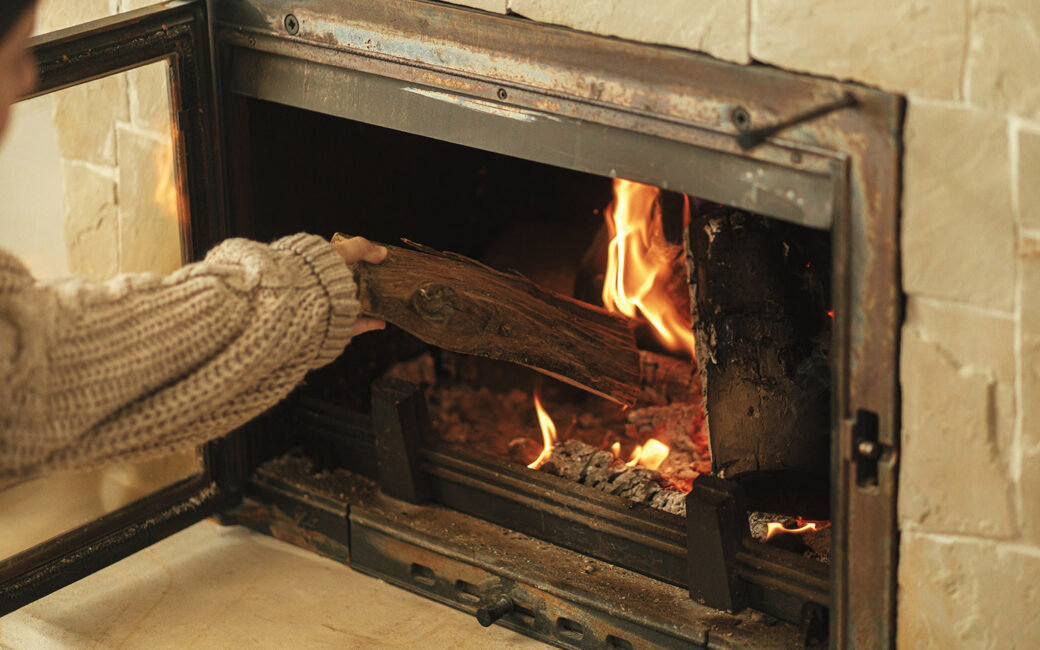
Woman putting firewoods into burning fireplace in rustic room in farmhouse. Heating house in winter with wood burning stove. Fireplace heating alternative to gas and electricity

How to Open a Fireplace Flue

How to Open a Fireplace Flue

Using Your Fireplace Damper

Understanding how to properly open and close your fireplace flue is essential for safe, efficient fireplace use. Whether you own a traditional wood-burning fireplace or a modern unit with a built-in damper system, knowing how the flue works helps ensure smoke vents correctly and your home stays comfortable. Here’s a simple guide to what a flue is, why it matters, and how to adjust it safely.

Need professional fireplace service from friendly, dependable professionals? Schedule with Fireside Home Solutions today and our team will be happy to help.

What Is a Fireplace Flue?

The flue is the vertical passage inside your chimney that allows smoke, gases, and exhaust to move safely out of your home. Think of it as the chimney’s airway. Inside that flue, there is a movable component called the damper. When people talk about “opening the flue,” they are actually opening the damper—the metal plate that opens or closes to let air flow through the flue. If the damper is closed while a fire is burning, smoke has nowhere to go and will quickly fill the room. If it’s left open after the fire is out, you can lose heated indoor air through the chimney. That’s why understanding the difference—and how to operate the damper—is so important.

When and Why You Should Open or Close the Flue

Your flue (via the damper) should be adjusted based on whether your fireplace is in use:
  • Open the flue before starting a fire. This allows proper ventilation so smoke, fumes, and combustion gases escape up the chimney instead of entering your home.
  • Leave it fully open while the fire is burning. Even smoldering embers produce smoke and gases.
  • Close the flue once the fire is completely out and the fireplace is cool. This helps prevent warm indoor air from escaping and stops outside drafts from coming in.
If you’re ever unsure whether a fire is fully extinguished, give it extra time before closing the damper.

How to Open a Fireplace Flue (via the Damper)

Because fireplace designs can vary, your specific damper style may look a little different—but most fall into one of two categories: throat dampers (located just above the firebox) or top-mount dampers (located at the top of the chimney). Always make sure the fireplace is cold before reaching into or adjusting any components.

1. Locate the Damper Control

For throat dampers, you’ll usually find:
  • A lever you push or pull
  • A rotary knob you twist
  • A sliding handle inside the firebox
For top-mount dampers, the control is typically a metal chain that hangs down into the fireplace.

2. Check Whether the Damper Is Open or Closed

Before lighting a fire, visually verify the damper’s position:
  1. Look up into the chimney with a flashlight.
  2. An open damper will reveal an unobstructed vertical passage.
  3. A closed damper will appear as a solid metal plate blocking the flue.

3. Open the Damper

Adjust your damper control according to your model:
  • Lever or handle: Push or pull until the plate swings fully open.
  • Rotary knob: Turn until you feel the damper move into the open position.
  • Top-mount damper chain: Release the chain from its notch so the spring mechanism opens the damper at the top of the chimney.
Make sure the damper is wide open before starting your fire to ensure proper airflow.

4. Close the Damper After the Fire Is Out

Once the fireplace is completely cooled, return the damper to the closed position to improve energy efficiency and prevent drafts. Never close it while ashes are still hot or smoldering.

Tips for Safe and Easy Damper Use

  • Inspect the damper annually for rust, warping, or debris buildup.
  • Keep the fireplace clean to help the damper operate smoothly.
  • Always open the damper before lighting kindling—smoke forms quickly.
  • If the damper sticks or won’t fully open, schedule a professional inspection.
A well-functioning flue and damper system keeps your home safe and your fireplace performing at its best.

Why Choose Fireside Home Solutions?

From helping you understand your fireplace components to providing expert maintenance and repairs, Fireside Home Solutions is here to ensure your system runs safely and efficiently. Serving the Seattle and Portland areas, our team specializes in fireplaces, garage doors, and year-round home comfort solutions. If you have questions about your fireplace or need help servicing your damper or chimney system, contact us today. Call us to learn more about our fireplace and garage door services or to schedule your next tune-up.
Open post
A closeup shot of an electric fireplace

Do Electric Fireplaces Use a Lot of Electricty?

Do Electric Fireplaces Use a Lot of Electricity?

Exploring Electric Fireplace Energy Use

Electric fireplaces are a convenient, modern way to add warmth and ambiance to your home without the hassle of traditional wood or gas setups. But one common question homeowners ask is whether electric fireplaces use a lot of electricity. The good news is that electric fireplaces are typically more energy-efficient than many heating alternatives—and understanding how they work can help you manage costs even more effectively. Here’s what you should know about their electricity usage and how to get the most from your fireplace.

Already have an electric fireplace? Turn to the Fireside Home Solutions team for expert fireplace service.

Understanding Electricity Use

Electric fireplaces operate by converting electricity into heat, often using a built-in fan heater. On average, most units use around 1,500 watts when running at full power. This translates to roughly $0.15–$0.25 per hour, depending on your local electricity rates. Compared to central heating systems that warm your entire home, an electric fireplace can be a cost-effective way to heat a single space—especially when you only need localized comfort.

Factors That Affect Energy Consumption

Several factors can impact how much electricity your electric fireplace uses:

  • Larger rooms require more energy to maintain warmth, making room size a major contributor to overall electricity use.
  • The fireplace model and its settings influence consumption, since many units offer variable heat levels or a flame-only mode that significantly reduces energy draw.
  • Your home’s insulation and ambient temperature affect how efficiently the fireplace can operate, which in turn impacts how much electricity it needs.

Tips for Energy Efficiency

To make the most of your electric fireplace, consider a few simple efficiency tips:

  • Use the fireplace to supplement your home’s main heating system rather than replace it, practicing “zone heating” by warming only the rooms you use most.
  • Set the thermostat to a comfortable but moderate level, and turn off the heater whenever it’s not in use to avoid unnecessary energy consumption.
  • Keep the unit clean and ensure vents remain unblocked so the fireplace can maintain proper airflow and operate efficiently.
  • Choose an electric fireplace with LED lighting and an adjustable thermostat, which can help you manage and reduce overall energy use more effectively.

The Benefits of Electric Fireplaces

Beyond their efficiency, electric fireplaces are easy to install and maintain. There’s no need for venting, chimney cleaning, or gas hookups—just plug it in and enjoy. They also provide consistent heat output, are safe for families, and come in a range of styles to match your décor. Plus, since you can use the flame effect independently from the heat, you can enjoy the cozy glow of a fire year-round without raising your energy bill.

Why Choose Fireside Home Solutions?

Whether you’re upgrading your home heating or adding an electric fireplace for ambiance, Fireside Home Solutions offers expert guidance and installation services in the Seattle and Portland areas. Our team provides full-service solutions for fireplaces, garage doors, and more—tailored to fit your home and budget.

Contact us today to learn more about our fireplace and garage door solutions or to schedule your next tune-up.

Open post
Picture of young woman cleaning fireplace glass doors. High quality photo

How to Clean Fireplace Glass

How to Clean Fireplace Glass

A Step-By Step Guide

Keeping your fireplace glass clean is essential for both safety and aesthetics. Over time, soot, film, and residue can build up on the glass—especially with gas and wood-burning fireplaces—making it harder to enjoy the warm glow of the flames. Fortunately, cleaning fireplace glass is simple when you know the right steps and products to use. Here’s everything you need to know to get your fireplace looking clear and bright again.

Need professional fireplace service? Schedule an appointment with Fireside Home Solutions today.

Why Fireplace Glass Gets Dirty

Fireplace glass naturally accumulates buildup from combustion. Wood-burning fireplaces produce soot and creosote, while gas fireplaces can leave behind a cloudy white film caused by minerals. Even electric fireplaces may collect some dust or fingerprints on the screen. Regular cleaning not only keeps the glass looking great but also helps you easily spot any potential issues with the fireplace itself.

What You’ll Need

Before you begin, gather these simple supplies:

  • A soft microfiber cloth
  • A non-abrasive fireplace glass cleaner (or a vinegar-and-water mix for light cleaning)
  • Gloves to protect your hands
  • A drop cloth or newspaper to protect the surrounding area
  • A plastic scraper (optional, for stubborn residue)

Avoid harsh chemicals, abrasive pads, or anything that could scratch or weaken the glass.

Step-by-Step Guide to Cleaning Fireplace Glass

1. Make sure the fireplace is completely cool.

This is the most important step. Glass can stay hot long after the flames are out, so give it plenty of time to cool down.

2. Remove the glass panel if your model allows.

Most modern fireplaces, especially gas units, have removable glass fronts. Consult your owner’s manual if you’re unsure how to do this safely.

3. Wipe away loose soot or dust.

Use a dry microfiber cloth to remove surface debris before applying any cleaner.

4. Apply your fireplace glass cleaner.

Spray the cleaner directly onto the glass or onto a cloth, depending on your product instructions. Let it sit for 30–60 seconds to break down buildup.

5. Gently scrub and wipe clean.

Use circular motions with your microfiber cloth. For extra-stubborn spots, a plastic scraper can help lift residue without scratching the surface.

6. Rinse and dry.

Wipe the glass with a damp cloth to remove any leftover cleaner, then dry thoroughly to avoid streaks.

7. Reinstall the glass.

Once completely dry, carefully put the glass back into place and enjoy your cleaner, clearer view of the flames.

Tips for Preventing Buildup

A little ongoing maintenance can reduce how often you need deep cleaning:

  • Burn well-seasoned wood to reduce soot production
  • Schedule annual fireplace inspections and tune-ups
  • Avoid closing fireplace doors too soon after lighting a fire
  • Wipe down the glass regularly to prevent residue from hardening

These small habits will help your fireplace stay cleaner—and looking its best—year-round.

Why Choose Fireside Home Solutions?

Whether you’re maintaining a wood-burning hearth, cleaning the glass on a gas fireplace, or upgrading to a new electric model, Fireside Home Solutions provides expert guidance and full-service solutions you can trust. Serving the Seattle and Portland areas, our team specializes in fireplaces, garage doors, and ongoing maintenance to keep your home comfortable and safe.

Contact us today to learn more about our fireplace and garage door services or to schedule your next tune-up.


Open post
Fireplaces from Fireside Home Solutions in the Spokane Showroom Location.

Spokane Showroom Grand Opening

Fireside Home Solutions Opens New Spokane Valley Showroom

Explore Our New Fireplace Showroom at 11327 E Montgomery Dr #5, Spokane Valley, WA

Fireside Home Solutions is excited to announce the opening of our brand-new showroom in Spokane Valley! Homeowners in the area can now experience firsthand the wide selection of fireplace products and services that have made Fireside a trusted name throughout the Pacific Northwest. The new Spokane showroom is designed to showcase the latest innovations in home comfort, style, and efficiency—all in one inviting space.

GET DIRECTIONS


Explore a Wide Range of Fireplaces in Person

At our new showroom, you’ll find an impressive variety of fireplace options to fit every home and lifestyle. From gas fireplaces that provide instant warmth with the push of a button to electric fireplaces that deliver sleek, modern style and flexibility, our Spokane location offers solutions for any preference. For those looking to update an existing unit, our collection of fireplace inserts makes it easy to improve efficiency and performance without a full remodel. You can explore our complete fireplace collection to see how Fireside blends timeless design with modern innovation. Whether you’re creating a cozy gathering place in the living room or upgrading to an efficient heat source, our experts are ready to help you find the perfect match. Our showroom stocks a range of fireplace brands, including Heat & Glo, Heatilator, Montigo, Napoleon, Stellar, Mendota, NetZero, Modern Flame, Forge & Flame, Ortal, and Flare.

Spokane's Premier Source for Fireplace & Garage Service

Our certified technicians provide trusted service and maintenance to keep your fireplace safe, reliable, and efficient throughout the year. We also specialize in garage door services, offering installation, repair, and replacement for both residential and commercial needs. From enhancing curb appeal to improving security and convenience, our garage door expertise means Spokane Valley homeowners can count on Fireside for complete home solutions in one place.

Visit Us in Spokane Valley

The opening of our Spokane Valley showroom gives local homeowners the opportunity to experience Fireside’s wide selection of products and trusted service closer to home. Whether you’re planning a remodel, building a new house, or simply updating your current system, our team is here to guide you every step of the way. Come visit our new showroom in Spokane Valley and discover why Fireside Home Solutions has become the Northwest’s leading name in fireplaces and garage doors.
Open post
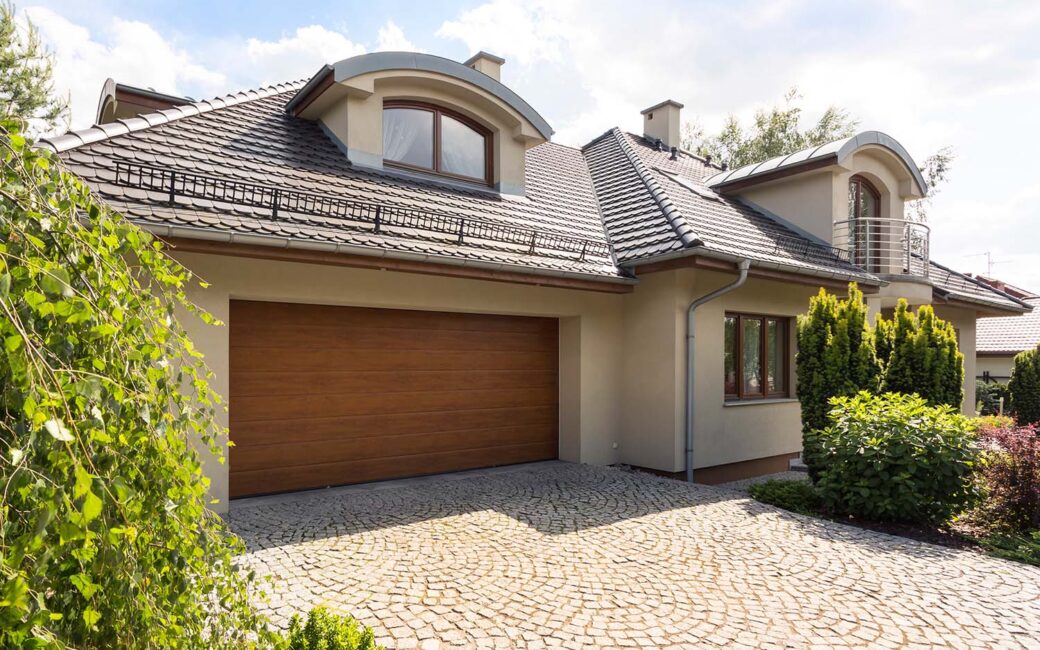
Modern house with garage and wooden facade

How to Put a Garage Door Back on Its Track

How to Put a Garage Door Back on Its Track

A garage door that slips off its track can be frustrating—and potentially dangerous. Whether it’s caused by a sudden impact, worn rollers, or loose hardware, addressing the issue quickly is key to maintaining your garage door’s safety and performance. Here’s a concise guide to help you get your door back on track and know when it’s time to call in the professionals.

Step-by-Step Fix

  1. Disconnect the Opener: Start by pulling the emergency release cord to disconnect the door from the automatic opener. This allows you to move the door manually and prevents accidental activation.
  2. Secure the Door: Carefully lift the door until it’s level and use locking pliers or clamps to hold it in place on the tracks.
  3. Inspect the Tracks: Check for bends, debris, or loose brackets. Gently straighten any small bends with pliers and tighten loose hardware.
  4. Guide Rollers Back In: Open the track near the rollers with a pair of pliers, carefully guide the rollers back into the track, and then close the track securely.
  5. Test and Reconnect: Slowly lower the door to ensure it moves smoothly before reconnecting it to the opener.

When to Call a Professional

While minor adjustments are manageable, significant damage or repeated derailments can signal deeper issues. A misaligned track, worn rollers, or a malfunctioning opener can compromise safety and lead to costly repairs if ignored. For thorough repairs and preventative maintenance, trust the experts on Fireside Home Solutions’ Garage Door Service team. Their team provides professional inspections, realignments, and comprehensive repairs to keep your garage door operating safely and efficiently.

By following these steps and knowing when to seek professional help, you can keep your garage door functioning smoothly and avoid potential hazards.

Why Choose Fireside Home Solutions?

Whether you’re servicing moving parts, swapping out worn hardware, or upgrading your setup, Fireside Home Solutions delivers reliable local expertise for homeowners in the Seattle and Portland areas. We offer complete maintenance, repair, and installation services customized to your garage needs. From fine-tuning your opener to handling full system replacements, our team has you covered.

Contact us today to learn more about our fireplace and garage door solutions or schedule garage door service online now.

Open post
Front view of a mixed race couple with their young daughter in their sitting room at Christmas, lying on the floor by a fireplace and embracing

How to Get Your Fireplace Ready for Winter

How to Get Your Fireplace Ready for Winter

As the temperatures drop and the days grow shorter, your fireplace becomes the heart of your home—providing warmth, comfort, and a welcoming atmosphere. But before you light that first fire of the season, it’s essential to ensure your fireplace is safe and efficient. A little preparation now can prevent problems later and keep your home cozy all winter long. Use this checklist to get your fireplace winter-ready.

Clean Out Ash and Debris

Start by giving your fireplace a good cleaning. Remove any leftover ash or debris from the firebox to create a clean foundation for new fires. Excess buildup not only affects performance but can also pose a fire hazard.

Inspect the Chimney and Flue

A clear, functioning chimney is key to safe operation. Check for blockages such as leaves, nests, or creosote buildup that could obstruct airflow. If you notice heavy residue or aren’t sure about the condition of your chimney, it’s best to schedule a professional inspection and cleaning.

Test the Damper

Your fireplace damper regulates airflow, so it needs to open and close properly. Test it before winter to ensure it seals tightly when closed (to keep warm air in) and opens fully when in use (to allow smoke and gases to escape).

Check for Cracks and Damage

Examine the firebox, masonry, and surrounding area for any visible cracks, chips, or wear. Even small issues can worsen with repeated heat exposure, so addressing them early helps maintain safety and efficiency.

Stock Up on the Right Firewood

The type of wood you burn makes a big difference. Opt for seasoned hardwoods like oak, maple, or hickory, which burn hotter and cleaner than softwoods. Avoid freshly cut wood, as excess moisture creates more smoke and creosote buildup.

Install or Replace Safety Features

Take time to check smoke detectors and carbon monoxide alarms near your fireplace. Replace batteries and test devices to ensure they’re working properly. If you don’t already have a fireplace screen or glass doors, consider adding them for added safety.

Schedule Professional Fireplace Service

Finally, the best way to ensure your fireplace is truly ready is to have it serviced by a professional. A certified technician can perform a thorough inspection, clean the system, and make necessary adjustments so your fireplace runs at peak performance. Schedule your fireplace service online now or contact us to learn more about what we offer.

Why Choose Fireside Home Solutions?

Whether you're fixing your garage door, installing a new fireplace, or upgrading your current system, Fireside Home Solutions offers trusted, local expertise for homeowners in the Seattle and Portland areas. We provide full-service maintenance, repairs, and installations tailored to your needs. From programming your opener to complete system overhauls, we’ve got you covered.

Contact us today to learn more about our fireplace and garage door solutions or to schedule your next tune-up.

Posts navigation

1 2 3 4