Open post
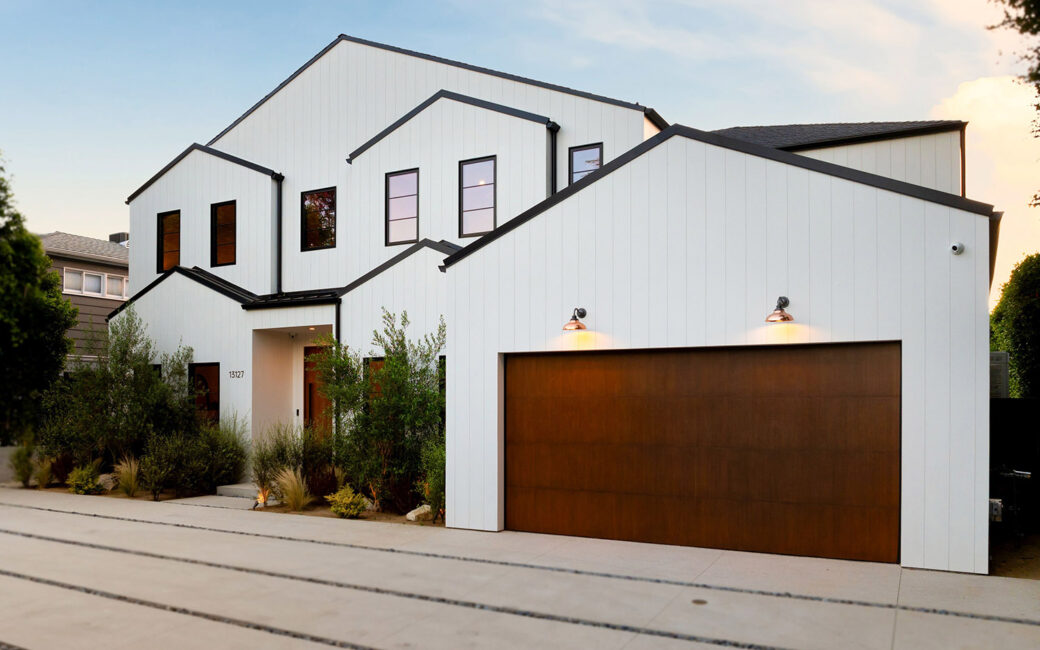
Modern garage door

How to Replace Your Garage Door Bottom Seal

How to Replace Your Garage Door's Bottom Seal

Over time, the bottom seal on your garage door can wear out, crack, or flatten—letting in water, pests, and cold air. Replacing this rubber seal is a simple yet essential way to protect your garage from the elements and keep your home more energy-efficient. Here’s a quick guide on how to replace a garage door bottom seal, plus when it’s smart to call in the pros.

Step-by-Step: Replacing Your Garage Door Bottom Seal

  1. Inspect the Old Seal: Open your garage door and check the condition of the bottom seal. If it’s brittle, torn, or missing sections, it’s time for a replacement.
  2. Remove the Old Seal: Most garage doors use a slide-in or push-in seal. Gently pull it out from the track at the bottom of the door. If it’s stuck, use a screwdriver or utility knife to help loosen it. Be careful not to damage the metal track.
  3. Clean the Bottom Track: Wipe down the track thoroughly to remove debris, dirt, and any seal remnants. A clean surface ensures the new seal slides in smoothly and sits flush.
  4. Install the New Seal: Measure and cut your new seal to the correct length. Slide or press the new seal into the track, starting at one end and working your way across. Some seals may require a bit of soapy water to make installation easier.
  5. Test the Seal: Close the garage door and check for any gaps. The seal should sit evenly along the floor with no visible light coming through underneath.

Professional Garage Door Care in the Pacific Northwest

While a DIY seal replacement might sound simple, every garage door system is different. If your track is damaged, your door isn’t closing evenly, or you’re unsure which seal type to buy, professional service is your best option. Fireside Home Solutions offers expert garage door maintenance and repair, including seal replacement and weatherproofing.

Schedule service with our garage door specialists to ensure a secure, tight seal that protects your home year-round, or contact us today to learn more about our garage door solutions.

Open post
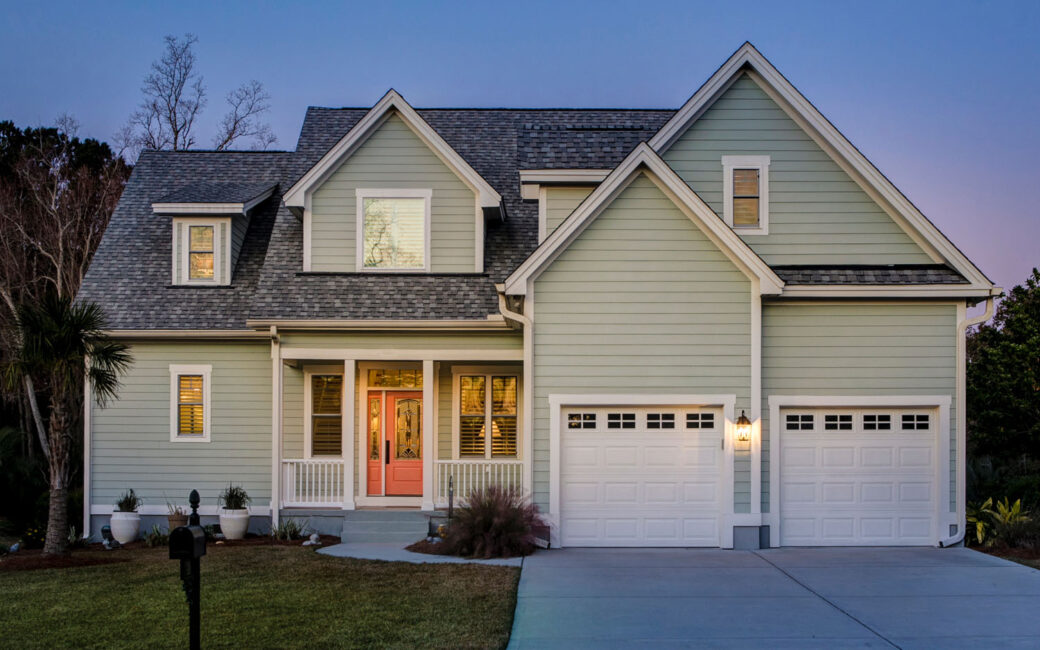
Traditional garage door from Fireside Home Solutions

How to Open Your Garage Door Without Power

How to Open Your Garage Door Without Power

Power outages can strike at the most inconvenient times—right when you're rushing out for work or returning home with groceries. If you find your garage door unresponsive during a power failure, don’t panic. Most garage doors come equipped with a manual release mechanism that allows you to safely open and close them without electricity. Here's how to do it in a few simple steps.

Step-by-Step Guide: Manually Open Your Garage Door

Ensure Safety FirstBefore attempting anything, make sure your garage door is fully closed. If it’s stuck open, be cautious—garage doors are heavy, and a sudden shift could cause injury. If you're unsure about the door’s position or stability, it's best to wait for professional help.

1. Locate the Emergency Release Cord

Find the red cord hanging from the garage door opener rail. This is the emergency release handle, typically located in the center of the garage. Pulling this cord disengages the door from the motor, allowing manual operation.

2. Disengage the Opener

Firmly pull the red cord downward. You might hear a click—this signals that the door has been disconnected from the opener.

3. Lift the Door Manually

With the opener disengaged, grasp the door handles and lift slowly and steadily. Most garage doors should move with relative ease if the springs are in good condition. Don’t force the door—if it’s too heavy or stuck, it may indicate a broken spring or track misalignment.

4. Secure the Door in the Open Position

If you need the door to remain open for an extended period, use locking pliers or a clamp on the track to prevent it from falling. Never leave the door unsupported.

5. Reconnect Once Power is Restored

When the electricity comes back, pull the red cord toward the door to re-engage the opener. Then press the opener button to check if everything is working properly.

Turn to Fireside Home Solutions for Professional Garage Door Service

Manual garage door operation is a useful skill during emergencies, but if you experience resistance, unusual noise, or difficulty lifting the door, professional service may be necessary. Fireside Home Solutions can help ensure your garage door system is safe, secure, and ready for any situation. Schedule service with us to inspect or repair your garage door today. Contact us to learn more about our garage door solutions or to schedule your next tune-up.
Open post
Garage Doors Contemporary

Why Your Garage Door Might Not Be Opening: 6 Common Issues

Why Your Garage Door Might Not Be Opening: 6 Common Issues and How to Fix Them

A garage door that won’t open is more than an inconvenience—it can be a serious disruption to your day. Whether you’re trying to head out for work or return home after errands, being stuck on either side of a stubborn garage door is frustrating. The good news? Most causes are easy to diagnose—and with expert help from Fireside Home Solutions, just as easy to fix.

Here are six of the most common reasons your garage door might not be opening, and how professional garage door service can restore your peace of mind.

1. Dead Remote or Wall Console Batteries

Before jumping to conclusions, check the simplest fix first: the batteries. If your garage door opener remote or wall-mounted control panel isn’t responding, fresh batteries might be all you need. Still nothing? The problem could be with your wiring or the opener unit itself.

Fireside’s technicians can quickly test and replace your components to get everything working again—no guesswork involved.

2. Misaligned or Blocked Photo Eye Sensors

Modern garage doors include safety sensors—also known as photo eyes—at the bottom of the tracks. These sensors detect obstacles in the door's path. If they’re dirty, misaligned, or blocked by debris, the system will not let the door close or open.

Our service team knows exactly how to align sensors properly and shield them from sunlight or dust, restoring full functionality and safety.

3. Broken Springs or Cables

Garage door springs do the heavy lifting behind the scenes. If one breaks, you’ll often hear a loud bang, and your door may not budge. The same goes for snapped or frayed lift cables. These parts wear out with use and should only be handled by a professional.

Fireside Home Solutions can safely replace springs and cables, recalibrate your system, and ensure balanced, smooth operation.

4. Disconnected or Manual Release Pulled

Sometimes, the fix is surprisingly simple. Your garage door opener has a manual release cord (usually red) for use during power outages. If it’s been pulled accidentally, your opener won’t engage the door.

A quick inspection from our team can verify the issue and reconnect everything correctly to restore automatic function.

5. Electrical or Power Supply Issues

If your opener is unresponsive and your lights are out too, you might be dealing with a tripped breaker, unplugged opener, or electrical fault. It’s also possible that the opener’s circuit board has failed, especially in older units.

Our certified service pros can test your opener’s power supply, inspect the wiring, and recommend upgrades if needed.

6. Damaged or Off-Track Door

A garage door that’s come off its track or has bent panels may not open at all—or worse, could get stuck halfway. Forcing the system can cause further damage and create safety hazards.

Fireside’s repair services include full track realignment, panel replacement, and expert maintenance to ensure long-term durability and safety.

Don’t Let a Garage Door Malfunction Slow You Down

No matter the cause, Fireside Home Solutions is here to help with reliable, responsive garage door service across the Pacific Northwest. From battery replacements to spring repairs and full system inspections, our expert technicians are trained to diagnose issues quickly and provide lasting solutions. We service all major brands and offer emergency repairs, too.

Schedule your garage door service today.

Trust Fireside to keep your garage door running smoothly—because when life doesn’t slow down, neither should your garage.

Why Choose Fireside Home Solutions?

Whether you're lubricating parts, replacing worn hardware, or upgrading your system, Fireside Home Solutions offers trusted, local expertise for homeowners in the Seattle and Portland areas. We provide full-service maintenance, repairs, and installations tailored to your needs. From programming your opener to complete system overhauls, we’ve got you covered.
Contact us today to learn more about our garage door solutions or to schedule your next tune-up.
Open post
Modern garage door

How to Lubricate a Garage Door: A Simple Guide for Smooth, Quiet Operation

How to Lubricate a Garage Door: A Simple Guide for Smooth, Quiet Operation

Your garage door is one of the most frequently used entrances in your home, but when it starts squeaking, grinding, or operating sluggishly, it’s time to give it the care it deserves. If you're searching for how to lubricate a garage door or how to grease a garage door, you’re in the right place. Routine lubrication extends the lifespan of your door, ensures quiet operation, and prevents costly repairs down the line. Here’s a quick, effective guide to help you maintain your garage door like a pro—and when to know it's time to call in one.

Step-by-Step: How to Lubricate Your Garage Door

1. Gather Your Supplies: Use a high-quality silicone-based or lithium-based lubricant designed specifically for garage doors. Avoid WD-40—it’s a cleaner, not a long-lasting lubricant.

2. Close the Garage Door: For safety and full access to moving parts, ensure the door is fully closed and disconnected from the opener.

3. Clean Moving Components: Wipe down tracks, hinges, rollers, and springs with a clean cloth to remove dust and old residue. This ensures the new lubricant adheres properly.

4. Apply Lubricant to Key Areas:

  • Hinges: Spray where they pivot to keep movement smooth.
  • Rollers: Apply to the ball bearings inside metal rollers (avoid plastic rollers).
  • Springs: Coat torsion springs to reduce noise and prevent rust.
  • Bearing Plates and Pulleys: Spray these to reduce friction.
  • Locks and Arm Bar: A light spray helps prevent rust and sticking.

5. Test Operation: Open and close the garage door several times to work the lubricant into the components and ensure everything moves freely.

The Benefits of Regular Lubrication

Consistent maintenance not only eliminates annoying noises—it also prevents wear and tear on expensive components. For homeowners wondering how to grease a garage door properly, remember that lubrication should be done every six months. If you live in a particularly dusty or humid environment, quarterly checks are ideal.

When to Call in a Professional

While DIY maintenance helps, some issues—like worn-out rollers, frayed cables, or balance problems—are best handled by the experts. If your door still makes noise after lubrication or doesn’t move smoothly, don’t hesitate to get help. Fireside Home Solutions offers professional garage door servicing that ensures every part is inspected, adjusted, and operating safely.

Schedule your professional garage door service today to keep your door operating like new.

Why Choose Fireside Home Solutions?

Whether you're lubricating parts, replacing worn hardware, or upgrading your system, Fireside Home Solutions offers trusted, local expertise for homeowners in the Seattle and Portland areas. We provide full-service maintenance, repairs, and installations tailored to your needs. From programming your opener to complete system overhauls, we’ve got you covered.

Contact us today to learn more about our garage door solutions or to schedule your next tune-up.

Open post
Woman is putting a piece of wood into a fireplace

How to Get the Most Heat Out of Your Fireplace

How to Get the Most Heat Out of Your Fireplace

A fireplace is a cozy and efficient way to warm your home, but are you getting the most heat from it? Whether you have a gas or wood-burning fireplace, optimizing its performance can enhance efficiency, reduce heat loss, and keep your home warmer for longer. If you’re wondering how to get the most heat from a fireplace, follow these expert tips to ensure you’re maximizing warmth and efficiency.

Choose the Right Fuel

For wood-burning fireplaces, the type of wood you use significantly impacts heat output. Hardwoods like oak, maple, and hickory burn hotter and longer compared to softwoods, providing more sustained warmth. Ensure the wood is properly seasoned—meaning it has been dried for at least six months—to reduce excess moisture and improve combustion efficiency. If you use a gas fireplace, check that your burner and pilot light are working correctly to maintain steady heat output.

Keep Your Fireplace and Chimney Clean

A clean fireplace operates more efficiently. Creosote buildup in wood-burning fireplaces can block airflow and reduce heating effectiveness, while dust and debris in a gas fireplace can impact the burner’s performance. Regularly clean out ash in wood-burning fireplaces, and schedule an annual chimney sweep to ensure proper ventilation. For gas fireplaces, make sure the burner and pilot light are free of dust and soot. If your fireplace isn’t providing enough heat, a professional inspection may be needed—schedule service with Fireside Home Solutions to keep your fireplace running at peak performance.

Improve Heat Circulation

One of the best ways to generate more heat from your fireplace is by improving heat circulation in the room. Consider installing a heat-resistant fan or a blower system to help distribute warm air more effectively. Additionally, ceiling fans set to rotate clockwise at a low speed can help push warm air downward, keeping your living space comfortable. Closing doors to unused rooms can also help direct warmth where it’s needed most.

Optimize Fireplace Design and Accessories

A fireplace insert can significantly improve efficiency, capturing more heat and reducing energy loss. Glass doors help retain heat and prevent warm air from escaping up the chimney, while a fireback (a metal plate placed at the back of the fireplace) reflects heat into the room rather than allowing it to be absorbed by the masonry. For those with open fireplaces, consider a top-sealing damper to reduce drafts when the fireplace is not in use.

Reduce Heat Loss Through the Chimney

An open damper can cause significant heat loss, even when a fire isn’t burning. When using your fireplace, ensure the damper is fully open for proper ventilation, but close it once the fire has gone out to prevent warm air from escaping. If your chimney is poorly insulated, it may be drawing heat away from the fire—insulating your chimney can help make a fireplace warm more efficiently.

Schedule Professional Maintenance

If you’ve tried these methods and still feel like your fireplace isn’t producing enough heat, a professional inspection can help diagnose the issue. Fireside Home Solutions provides expert fireplace service, maintenance, and upgrades to ensure your fireplace is operating at maximum efficiency. If your fireplace isn’t performing as well as it should, schedule service today with Fireside Home Solutions to restore warmth and comfort to your home.

A well-maintained and optimized fireplace can transform your home into a warm and inviting space. By following these tips on how to get the most heat from a fireplace, you can enjoy better efficiency, increased comfort, and reduced energy costs all season long.


Open post
Man placing wood into fireplace

How to Start a Fire in a Fireplace

How to Start a Fire in a Fireplace

Starting a fire in your fireplace is an essential skill that can transform your living space into a cozy retreat. While it may seem straightforward, taking the proper steps ensures safety, efficiency, and a warm blaze. This guide will walk you through the process of how to start a fire in a fireplace and provide tips for keeping it going, whether you’re using a wood-burning or gas fireplace.

Step 1: Prepare Your Fireplace

Before lighting any fire, ensure your fireplace is clean and free of debris. For wood fireplaces, remove old ashes to allow for proper airflow. If you have a gas fireplace, check for dust or obstructions. Regular maintenance is crucial—visit our schedule service page to book a professional inspection and cleaning.

Step 2: Open the Damper

The damper controls airflow in your fireplace. Make sure it’s fully open to allow smoke and gases to escape up the chimney. Forgetting this step is one of the most common mistakes when building a fire in a fireplace.

Step 3: Gather Materials

To build a fire in a fireplace, you’ll need the following materials:

  • Dry, seasoned firewood: Wet or unseasoned wood won’t burn effectively and produces excess smoke.
  • Kindling: Small sticks or split wood that ignites easily.
  • Fire starters: Use newspaper, dry pine cones, or commercially available fire starters for easy ignition.

Step 4: Build the Fire

There are a few popular methods for building a fire in a fireplace, but the "log cabin" and "teepee" structures are the easiest:

  • Log Cabin Style: Lay two large logs parallel to each other on the grate. Stack smaller logs perpendicular to each other, creating a square. Fill the center with kindling and a fire starter.
  • Teepee Style: Arrange small pieces of wood and kindling in a cone shape over your fire starter. Add larger logs around the structure as the fire grows.

Step 5: Light the Fire

Carefully ignite the fire starter at the base of your structure using a long match or lighter. Allow the kindling to catch before adding more wood. Avoid overloading the fireplace with logs, as this can restrict airflow.

Step 6: Maintain the Fire

Once your fire is burning steadily, add logs as needed to maintain warmth. Place new logs near the burning ones to keep the airflow consistent. If you’re using a gas fireplace, adjust the flame height using the controls.

Safety Tips

  • Always keep a fire extinguisher nearby.
  • Never leave a fire unattended.
  • Use a fireplace screen to prevent sparks from escaping.

When to Call for Service

If you’ve tried these steps and still find that your fireplace won’t stay lit or isn’t working as intended, it’s best to seek professional assistance. Fireside Home Solutions provides comprehensive service and maintenance to diagnose and repair issues with your gas fireplace. Visit our Service and Maintenance page to schedule an appointment with our expert team. Regular service keeps your fireplace functioning reliably, ensuring your home stays warm and cozy during those colder months.

Explore Our Fireplace Options

Looking to upgrade your fireplace or add one to your home? Fireside Home Solutions offers a variety of wood fireplaces and gas fireplaces to match your style and needs. Browse our fireplace collection to find the perfect fit.

Starting a fire in your fireplace doesn’t have to be daunting. With the right preparation and materials, you can enjoy a warm, inviting atmosphere all season long. For more tips or to explore our fireplace solutions, contact Fireside Home Solutions today!

Open post
A gas fireplace insert with wood burning inside

Can You Burn Wood in a Gas Fireplace?

Can You Burn Wood in a Gas Fireplace?

Gas fireplaces have become a popular choice for homeowners seeking a clean, efficient, and hassle-free way to enjoy the ambiance of a fire. However, a common question many people ask is: Can you burn wood in a gas fireplace? The short answer is no, and here’s why.

Why You Shouldn’t Burn Wood in a Gas Fireplace

Gas fireplaces are specifically designed to burn natural gas or propane, not wood. These fireplaces use sealed systems with components that are optimized for gas combustion, including burners, venting, and safety mechanisms. Introducing wood into a gas fireplace can cause several issues:

  1. Safety Risks: Burning wood in a gas fireplace creates excessive heat and soot that the system wasn’t designed to handle. This can damage the fireplace components and potentially cause a fire hazard.
  2. Ventilation Problems: Gas fireplaces often use direct venting systems that are not suitable for managing the smoke and debris from burning wood. This can result in smoke backing up into your home, posing serious health risks.
  3. Damage to the Fireplace: The soot and ash from burning wood can clog gas burners, vents, and other essential components, leading to costly repairs or even rendering the fireplace unusable.

Are There Alternatives?

If you’re craving the charm of a wood-burning fire, there are alternatives to consider:

  • Wood-Burning Fireplaces: If burning wood is a priority, a traditional wood-burning fireplace may be a better option for your home.
  • Gas Log Sets: Modern gas log sets are designed to mimic the appearance of real wood while providing the convenience of gas operation.
  • Electric Fireplaces: Electric models can also create the look of a wood-burning fire without the mess or maintenance.

Maintaining Your Gas Fireplace

Regular maintenance is crucial to keeping your gas fireplace functioning safely and efficiently. Fireside Home Solutions offers professional fireplace service to address any concerns you may have about your system. From inspecting components to cleaning vents and ensuring everything operates smoothly, our team is here to help.

If you have questions about your gas fireplace or need to schedule maintenance, don’t hesitate to contact us. You can reach Fireside Home Solutions at 425-747-3473 or schedule a service appointment online by visiting our Fireplace Service page.

Trust Fireside Home Solutions

At Fireside Home Solutions, we’re committed to providing expert guidance and high-quality services for all your fireplace needs. Whether you’re exploring alternatives to wood-burning fireplaces or maintaining your gas system, we’re here to help you make the most of your fireplace safely and efficiently.

Open post
Close up of a woman's hand pressing a button on a garage door opener.

How to Program a Garage Door Opener

How to Program a Garage Door Opener

Garage door openers are essential components of a modern home, providing both convenience and security. While programming your garage door opener may seem daunting at first, the process is usually straightforward and can be completed in just a few steps. It’s important to note that the exact steps may vary depending on the brand and model of your garage door opener. Always consult your specific product manual for detailed instructions and safety precautions.

Understanding Your Garage Door Opener

Before starting the programming process, familiarize yourself with your garage door opener system. Most systems consist of a motor unit mounted in the garage ceiling, a remote control, and a wall-mounted control panel. Newer models may also include keypads and smartphone integration. Knowing the type and features of your opener will make programming easier and ensure you’re using the correct method.

  1. Locate the Learn Button: The "Learn" button is typically found on the motor unit of your garage door opener. It’s often colored red, yellow, orange, or purple and is usually located near the antenna wire or light cover. Consult your manual if you’re unsure of its location.
  2. Clear Existing Codes (If Necessary): To avoid conflicts with existing codes, it may be necessary to clear the memory of your garage door opener. Press and hold the "Learn" button for about 10-30 seconds until the indicator light turns off. This step will erase all previously programmed remotes and keypads.
  3. Set Your Remote Control:
    • Press and release the "Learn" button on the motor unit. The indicator light will turn on or begin blinking, signaling that the system is ready for programming.
    • Within 30 seconds, press and hold the desired button on your remote control until the indicator light on the motor unit flashes or stops blinking. This indicates a successful pairing.
  4. Program the Keypad (If Applicable):
    • Enter your desired four-digit PIN on the keypad.
    • Press and hold the "Enter" button until the garage door opener light blinks or the motor unit clicks, confirming successful programming.
  5. Test the System: Once programming is complete, test the remote control and keypad to ensure they’re functioning correctly. Open and close the garage door a few times to verify smooth operation.

Troubleshooting Tips

If your garage door opener isn’t responding after programming, consider the following:

  • Battery Check: Ensure the batteries in your remote control and keypad are fresh and installed correctly.
  • Distance: Stand within a reasonable range of the motor unit when programming.
  • Compatibility: Confirm that your remote control and keypad are compatible with your garage door opener model.
  • Reset and Retry: If all else fails, reset the system by erasing existing codes and repeat the programming process.

When to Seek Outside Help

While programming your garage door opener is typically a DIY task, certain situations may require professional assistance. For example, if you encounter persistent issues, have an older system, or want to integrate advanced features like smartphone control, contacting a garage door expert can save time and ensure your system is functioning optimally.

At Fireside Home Solutions, we’re here to help with all your garage door needs. Whether you need assistance programming your garage door opener, upgrading to a new system, or troubleshooting existing problems, our team is ready to provide expert guidance.

Contact Fireside Garage Door Solutions Today

Fireside Garage Door Solutions is your trusted partner for garage door products and services. From installations and repairs to maintenance and upgrades, we are committed to providing top-tier service and high-quality products. Contact us today to schedule your service and experience the difference that makes us the best garage door service provider in the Seattle and Portland areas. Your satisfaction is our mission, and we're here to be part of the solution, not part of the problem.

Open post
A beautiful two story home with a white garage door

A Beginner’s Guide to Garage Door Maintenance

A Beginner’s Guide to Garage Door Maintenance

Regular maintenance of your garage door is essential for ensuring its smooth operation, extending its lifespan and preventing costly repairs. By dedicating time to routine upkeep, you can avoid unexpected malfunctions and enhance the safety of your home. Here's a guide to effective garage door maintenance for those who may just be staring out:

Garage Door Maintenance Recommendations

1. Visual Inspection

Start by examining your garage door's components:

  • Springs: Look for signs of wear, rust, or damage.
  • Cables: Check for fraying or loose strands.
  • Rollers and Hinges: Ensure they are not worn out or broken.
  • Tracks: Confirm they are aligned and free of debris.

Regular visual inspections help identify potential issues before they escalate.

2. Lubrication

Proper lubrication reduces friction and prevents wear:

  • Moving Parts: Apply a high-quality, non-greasy lubricant to rollers, hinges, tracks, and springs.
  • Frequency: Lubricate these components at least twice a year.

Avoid using heavy oils or grease, as they can attract dirt and cause buildup.

3. Balance Testing

An unbalanced door strains the opener and components:

  • Test: Disconnect the opener and manually lift the door halfway. It should stay in place.
  • Action: If it moves up or down, the door is unbalanced and requires professional adjustment.

Regular balance checks ensure the door operates safely and efficiently.

4. Auto-Reverse Feature Check

This safety feature prevents accidents:

  • Test: Place an object, like a 1.5-inch block, under the door. Close the door; it should reverse upon contact.
  • Action: If it doesn't reverse, consult a professional to inspect and repair the system.

Ensuring the auto-reverse function works properly enhances safety.

5. Photo Eye Sensor Maintenance

Photo eye sensors detect obstructions:

  • Clean: Gently wipe the sensors with a soft cloth to remove dirt or debris.
  • Align: Ensure both sensors are properly aligned and facing each other.

Regular maintenance of sensors ensures the door operates safely.

6. Hardware Tightening

Vibrations can loosen hardware over time:

  • Inspect: Check all bolts and screws, especially on brackets and tracks.
  • Tighten: Use appropriate tools to secure any loose hardware.

Keeping hardware tight prevents operational issues.

7. Weatherstripping Examination

Weatherstripping seals the door against elements:

  • Inspect: Look for cracks or wear on the bottom seal and around the door.
  • Replace: If damaged, replace to maintain energy efficiency and protection.

Proper seals help in energy conservation and protect the garage interior.

8. Professional Maintenance

While DIY maintenance is beneficial, some tasks require professional expertise:

  • Annual Inspection: Schedule a yearly check-up with professionals to ensure all components function correctly.
  • Repairs: For issues like spring adjustments or cable replacements, consult experts.

Professional maintenance ensures comprehensive care and safety.

At Fireside Garage Door Home Solutions, we offer comprehensive garage door services, including an 18-point safety inspection covering door balance, springs, rollers, track alignment, and more. Our preventative maintenance plans and routine inspections are designed to keep your door functioning without unforeseen problems.

Regular maintenance not only extends the life of your garage door but also ensures the safety and security of your home. By following this guide and partnering with professionals like Fireside Garage Door Home Solutions, you can keep your garage door in optimal condition year-round. Schedule service with us online or call us at 425-747-3473 today for more information on garage door maintenance, service, and repair.

Contact Fireside Garage Door Solutions Today

Fireside Garage Door Solutions is your trusted partner for all your garage door needs. From installations and repairs to maintenance and upgrades, we are committed to providing top-tier service and high-quality products. Contact us today to schedule your service and experience the difference that makes us the best garage door service provider in the Seattle and Portland areas. Your satisfaction is our mission, and we're here to be part of the solution, not part of the problem.

Open post
Electric fireplace insert in a living room

Do Electric Fireplaces Give Off Heat?

Do Electric Fireplaces Give Off Heat

Yes, electric fireplaces do give off heat—and they do so with style, efficiency, and ease! Whether you’re looking to add a cozy ambiance to your living room or a sleek, modern feature to your space, electric fireplaces are a fantastic option. Not only do they warm your home, but they also provide a safe, maintenance-free alternative to traditional fireplaces. With their realistic flame effects and customizable settings, they bring the charm of a fireplace without the hassle of logs, smoke, or chimneys. Plus, electric fireplaces are perfect for year-round use since you can enjoy the flames with or without heat. Let’s take a closer look at how these innovative fireplaces work and why they’re such a popular choice for homeowners today.

How Do Electric Fireplaces Work?

Electric fireplaces use heating elements, often paired with a fan, to produce and distribute heat. These fireplaces mimic the appearance of traditional fireplaces using LED technology to create realistic flame effects, but without the need for wood, gas, or a chimney. This makes them a safe and low-maintenance option for homeowners.

Most electric fireplaces come with adjustable settings, allowing you to control the heat output. You can even use the flame display without heat, making it a year-round feature. With heat settings typically ranging from 5,000 to 10,000 BTUs, electric fireplaces can comfortably warm spaces up to 400-1,000 square feet, depending on the model.

Benefits of Electric Fireplaces

1. Energy Efficiency

Electric fireplaces are highly energy-efficient, converting almost all the electricity they use into heat. Plus, you can avoid heating your entire home by using your electric fireplace to zone heat specific rooms.

2. Safety

Since electric fireplaces don’t produce real flames or emissions, they are safer for homes with children or pets. They also remain cool to the touch on the exterior, minimizing burn risks.

3. Ease of Use

With no venting or chimney required, installation is simple. Plug the fireplace into a standard outlet, and it’s ready to go! Some models even come with remote controls or smart features for added convenience.

4. Design Versatility

From built-in styles to sleek linear designs and space-saving wall-mounted options, electric fireplaces can suit any room or aesthetic. You can even explore outdoor electric fireplaces for patios and backyards.

Explore Electric Fireplace Options at Fireside Home Solutions

Ready to experience the warmth and style of an electric fireplace? Fireside Home Solutions offers a wide range of options to match your needs, from built-in and linear designs to water vapor fireplaces for a traditional feel. Visit one of our showrooms to explore our inventory and find the perfect electric fireplace for your home. We have convenient showroom locations in the following areas:

Our team is here to help you choose the right fireplace and ensure it’s installed safely. From start to finish, we make it easy to love where you live while saving money.

Contact Fireside Home Solutions Today

Shopping for fireplaces should be hassle-free and enjoyable. Visit your nearest Fireside Home Solutions showroom today to explore our electric fireplaces, or contact us for more information. Let us help you transform your space into a warm, inviting retreat!

Posts navigation

1 2 3