
What Is a Fireplace Insert?
Exploring Fireplace Inserts and Their Benefits
If you love the look of your fireplace but wish it put out more heat—or was easier to use—you’re not alone. Many traditional fireplaces look great but aren’t very efficient. That’s where a fireplace insert comes in. Fireplace inserts are a popular upgrade that can transform an existing fireplace into a more effective, cleaner, and more convenient heat source, without the need for a full renovation.
Below, we’ll break down what a fireplace insert is, how it works, and why so many homeowners choose one.
What Is a Fireplace Insert?
A fireplace insert is a self-contained heating unit designed to fit directly inside your existing fireplace opening. Think of it as a high-efficiency fireplace “inside” your current fireplace. Instead of letting heat escape up the chimney, an insert is sealed and engineered to push warm air back into your living space.
Fireplace inserts are available in wood, gas, and electric options, allowing homeowners to choose the fuel type that best fits their lifestyle, home setup, and comfort preferences. While inserts use your existing fireplace structure, they operate more like a modern heating appliance than a traditional open hearth.
How Does a Fireplace Insert Work?
Although different fuel types work slightly differently, the basic concept is the same:
- The insert sits inside your existing fireplace. It’s sized to fit snugly into the firebox and is typically surrounded by a decorative faceplate that covers any gaps.
- A sealed firebox controls the burn or heat source. Unlike open fireplaces, inserts are enclosed with glass doors. This allows better control over heat output and prevents warm air from escaping up the chimney.
- Heat is circulated back into the room. Most inserts use a built-in fan or blower to pull cool room air in, heat it, and then push it back out into your space. This is what makes inserts so much more efficient than traditional fireplaces.
- Exhaust is safely vented outside. Wood and gas inserts use a chimney liner or venting system that directs smoke and gases outdoors, while electric inserts require no venting at all.
The result is more usable heat, better temperature control, and a fireplace that’s easier to enjoy on a day-to-day basis.
Types of Fireplace Inserts Explained Simply
Gas Fireplace Inserts
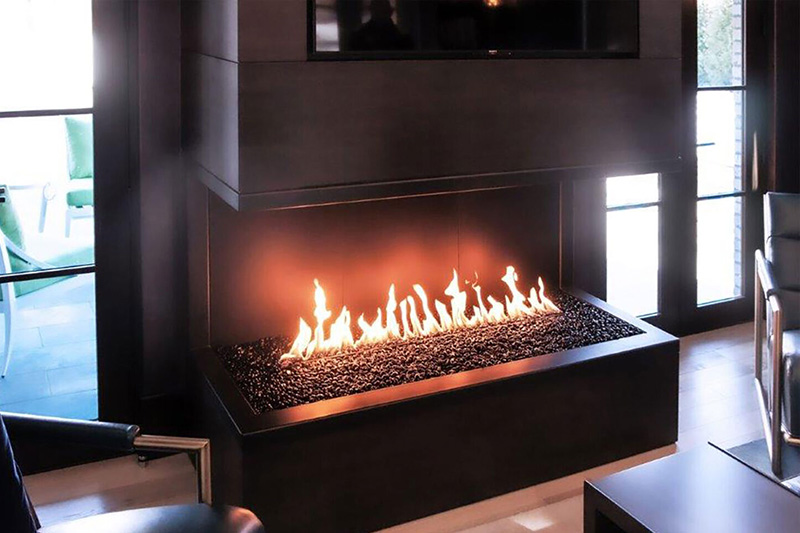
Gas inserts provide instant warmth at the flip of a switch or push of a button. They connect to a natural gas or propane line and produce consistent heat without the mess of wood. Many models include thermostats or remote controls for added convenience.
Electric Fireplace Inserts
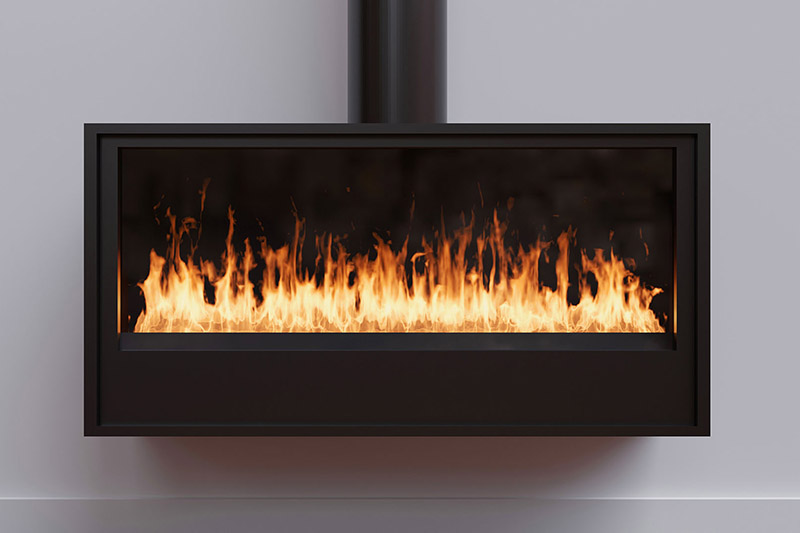
Electric inserts are the easiest to install and operate. They plug into a standard outlet, produce realistic flame effects, and generate heat using electric coils or infrared technology. They’re an excellent option for homes without chimneys or for homeowners who want low maintenance.
Wood Fireplace Inserts
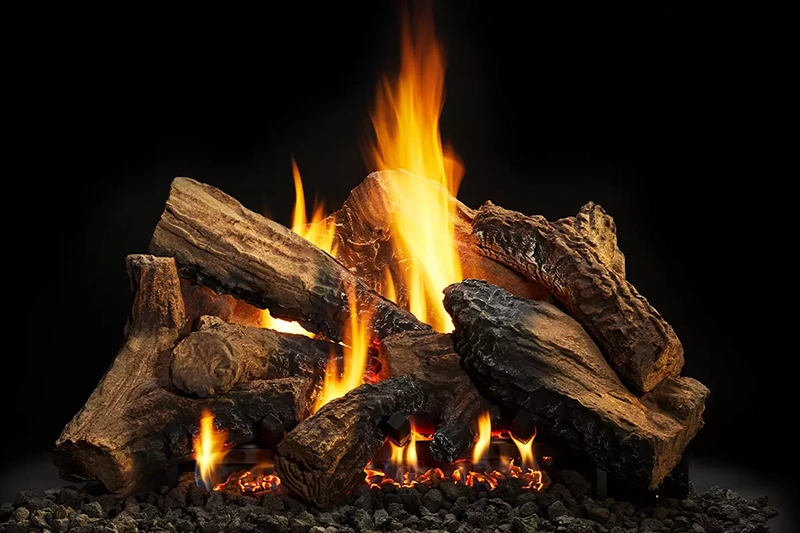
Wood inserts offer the traditional look, sound, and feel of a real wood fire—but with far better efficiency than an open fireplace. They burn wood more completely, produce more heat, and send less smoke up the chimney.
Why Fireplace Inserts Are More Efficient Than Traditional Fireplaces
Traditional fireplaces can lose a large amount of heat through the chimney, sometimes even pulling warm air out of your home. Fireplace inserts solve this problem by sealing the firebox and actively circulating warm air into the room.
If you’re curious about how inserts compare to open fireplaces in more detail, you can explore that topic further in our guide on fireplace inserts vs. traditional fireplaces. That page dives deeper into side-by-side differences for homeowners who are closer to making a decision.
Is a Fireplace Insert Right for Your Home?
A fireplace insert can be a great solution if:
- You already have a fireplace but want more heat
- You want better energy efficiency
- You’re looking for easier operation and less mess
- You want to upgrade the look of your fireplace without major construction
Because inserts work with your existing fireplace, installation is typically faster and less disruptive than building a brand-new fireplace from scratch.
Explore Fireplace Inserts at Fireside Home Solutions
At Fireside Home Solutions, we help homeowners throughout the Seattle and Portland areas find the right fireplace insert for their space, style, and heating needs. Our showrooms feature a wide selection of gas, electric, and wood fireplace inserts, and our experienced team can walk you through how each option works in real life—not just on paper.
Visit one of our local showrooms or contact us to learn more about fireplace inserts, professional installation, and ongoing service. We’re here to help you turn your existing fireplace into a smarter, warmer centerpiece for your home.