
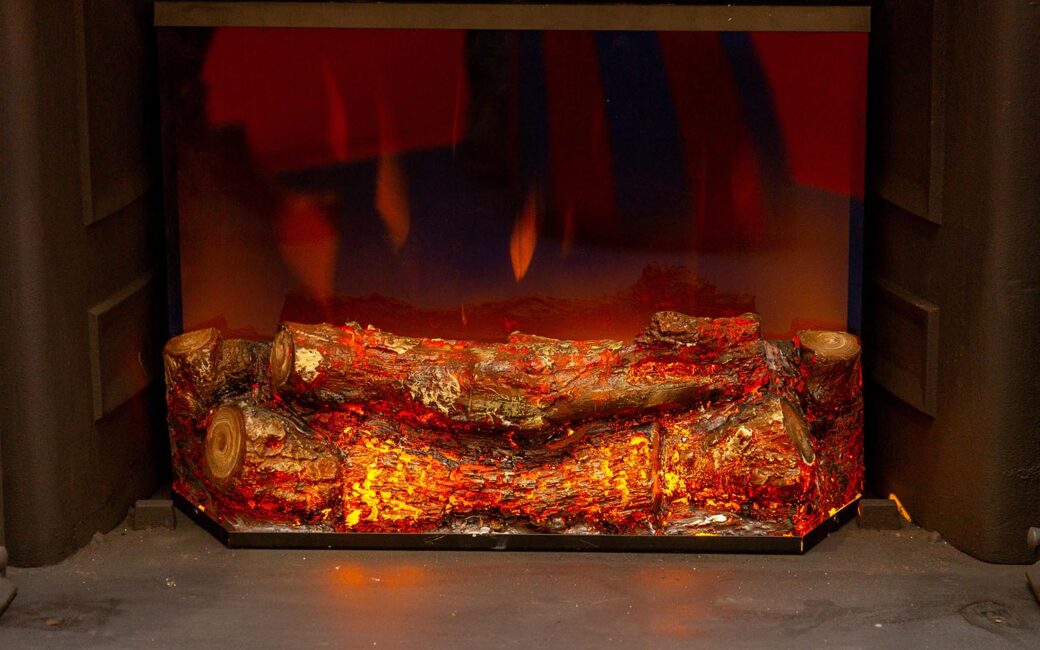
What Are Gas Logs?
If you love the look of a traditional fireplace but want a cleaner, more convenient experience, gas logs are a popular option worth exploring. Designed to replicate the appearance of real wood while offering the ease of gas operation, gas fireplace logs provide instant ambiance without the mess, maintenance, or prep work of a wood-burning fire.
Below, we’ll explain what gas logs are, how they work, and why many homeowners choose them as an alternative to traditional fireplaces or more complex gas systems.
What Exactly Are Gas Fireplace Logs?
Gas logs are specially designed ceramic or refractory logs that sit inside an existing fireplace and connect to a gas supply. When turned on, gas flows through a burner beneath the logs, producing realistic flames that wrap around and between the logs to mimic the look of a natural wood fire.
Gas logs are commonly installed inside:
- Existing wood-burning fireplaces
- Masonry or prefabricated fireplaces
- Approved gas-ready fireboxes
Because they’re designed to work with your existing fireplace structure, gas logs are often one of the simplest ways to upgrade from wood to gas.
How Do Gas Logs Work?
Once installed, gas logs operate using a straightforward system:
- Gas supply connection: The log set connects to your home’s natural gas or propane line.
- Burner system: Gas flows through a burner designed to distribute flames evenly for a natural appearance.
- Ignition method: Depending on the model, ignition may be manual, millivolt, or electronic.
- Flame control: Some systems allow basic flame adjustment, while others are designed for steady, consistent output.
When activated, the flames rise through the logs, creating the visual appeal of a traditional fire — without hauling wood, cleaning ash, or dealing with smoke.
Vented vs. Vent-Free Gas Logs
Gas logs generally fall into two main categories:
Vented Gas Logs
Vented gas logs are installed in a fireplace with a working chimney or venting system. They produce highly realistic flames and glowing embers, closely resembling a wood fire. Because the chimney remains open, vented gas logs are designed primarily for ambiance rather than heating.
Vent-Free (Ventless) Gas Logs
Vent-free gas logs do not require a chimney and are designed to burn very efficiently. They release heat directly into the room, making them more effective for supplemental warmth. Like all vent-free systems, they must be installed according to manufacturer specifications and local building codes.
Choosing between vented and vent-free gas logs depends on your fireplace setup, heating goals, and local regulations — and professional guidance is key.
Why Homeowners Choose Gas Logs
Gas logs offer several advantages over traditional wood-burning fireplaces:
- Convenience: Turn your fire on and off with a switch or remote
- Low maintenance: No ash, soot, or chimney sweeping required
- Clean operation: No smoke, sparks, or flying embers
- Classic look: Enjoy the appearance of a wood fire without the work
They’re especially appealing for homeowners who want a cozy, traditional fireplace experience with modern simplicity.
Explore Gas Logs at Fireside Home Solutions
At Fireside Home Solutions, we help homeowners throughout the Seattle and Portland areas find gas fireplace products that fit their homes, lifestyles, and design preferences. Our showrooms feature a wide range of gas log styles, finishes, and flame presentations — so you can see the difference in person and explore what works best for your space.
Our experienced team can also help you understand installation requirements, venting considerations, and how gas logs compare to other gas fireplace options.
Ready to explore your options? Visit a Fireside Home Solutions showroom or contact our team to get expert guidance on choosing a fireplace product that brings comfort, convenience, and style to your home.