Open post
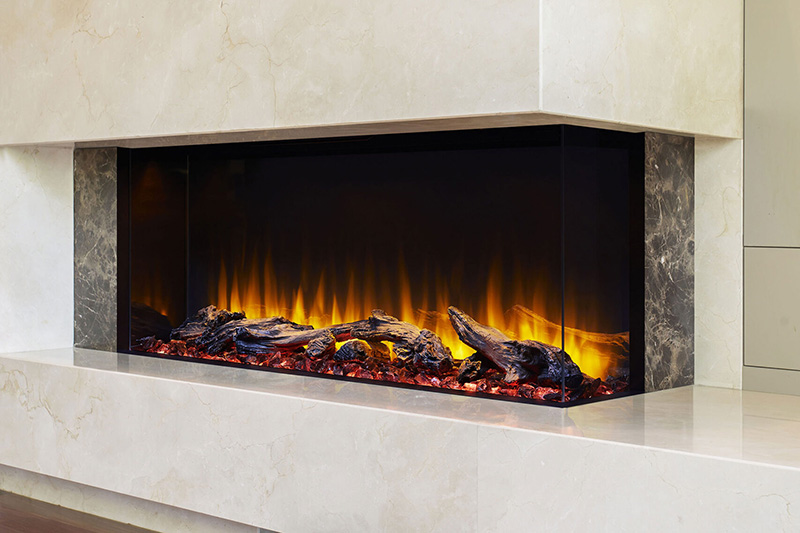
Modern fireplace in a modern marble wall set up

Three Simple Ways to Clean Your Fireplace

Three Simple Ways to Clean Your Fireplace

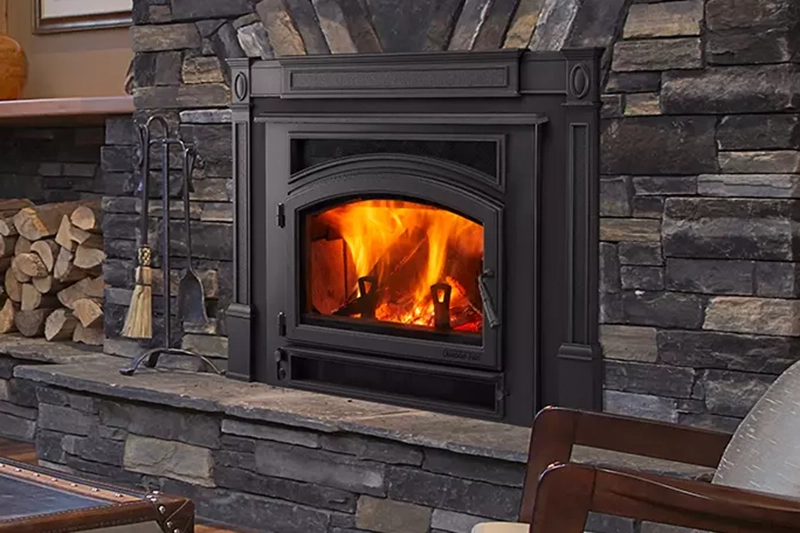
What good is a night spent in front of the fire if your fireplace is too dirty to see the flames? Wood-burning fireplaces give off a lot of smoke and soot, which can build up on your glass doors over time. More than likely, you’re going to need something a little tougher than an everyday glass cleaner to get the job done. Here are a few ways to put the sparkle back in your glass doors.

1. Wash With Ammonia.

Make a mixture of slightly diluted ammonia and water. The water helps keep the ammonia from evaporating and makes the job easier. Grab some paper towels, spray the glass, and begin to wipe it clean. It could take a few tries to get the window clear. If you have any spots with a lot of buildup, let the mixture sit for a while. When you’re done, wipe the glass clean with a dry cloth.

2. Fight Ashes With Ashes.

Take an old newspaper or cloth and dampen it. Then, dip the newspaper/cloth in your fireplace ashes and start scrubbing those doors. The ashes help to counteract the leftover residue. Once you’ve scrubbed it clean, grab a clean wet cloth and wipe the glass to remove the ash. You can finish with a spritz of glass cleaner and wipe it dry with a paper towel.

3. Get Down To Business.

If you have a lot of buildup on your glass doors, it may take more work to get it clean. A flat razor blade can remove caked-on deposits, just be careful not to scratch the glass. After you’ve scraped them clean, spray the doors down with a solution of white vinegar and water and wipe down with a paper towel or clean cloth.


These tips can keep your wood-burning fireplace doors looking like new. If you’re looking for a fireplace upgrade or just something a little lower maintenance, the experts at Fireside Home Solutions can help find the perfect fireplace for your lifestyle.

Open post
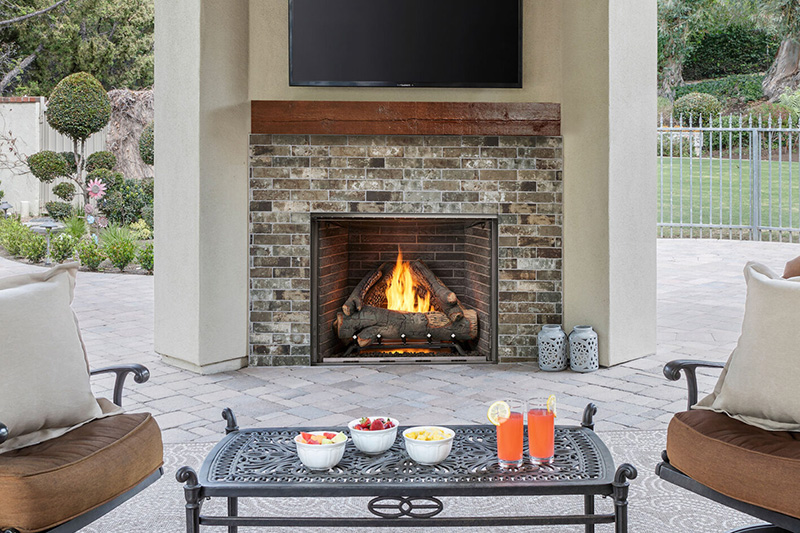
A brick fireplace in a non-connected wall on a back patio with snacks on a table

It’s the Middle of Summer…What is That Little Gas Flame Doing in My Fireplace?

It’s the Middle of Summer…What is That Little Gas Flame Doing in My Fireplace?

The little flame you see in your gas fireplace after you have turned it off is called a pilot light. A Standing Pilot Light runs constantly, whether your fireplace is on or off.

“It’s the middle of summer, why do I feel heat from the front of my fireplace?” “Oh well…it’s only a little flame, it’s no biggy.”
Well that “no biggy” is costing you between $12 and $15 a month. Over the course of a year that’s up to $180, nearly two Benjamins!
Most of today’s gas direct vent fireplaces have an innovation called intermittent pilot ignition.

What that means is that you don’t have a pilot light burning in your fireplace year-round. When your fireplace is off, it’s all off. No gas is being consumed at all. Saving energy and saving you money. When you turn your fireplace on, a spark ignites a temporary pilot flame, which in turn lights up your fire. If you want to turn off your standing pilot light, learn more here about how to turn off the pilot light.

The intermittent pilot system, along with direct vent sealed combustion is one of the reasons that gas fireplaces are much more efficient now than they were only a few years ago.

So much so, that in some areas utility partners even offer rebates for replacing older fireplaces with newer more efficient ones; up to $250 in fact. That plus your savings over burning a pilot year around can add up to a $430 savings in the first year! If that isn’t enough incentive for you, some manufacturers offer instant online coupons as well. Typically around $100, but I’ve seen them as high as $500 depending on the time of year and brand of fireplace.


Check into how you can save money and conserve energy today by stopping by or calling one of our Washington or Oregon showrooms.

That little flame can be a big drain… on your pocket book!

Open post
A wall installed fireplace with a clean brake frame and brick layout

Are Gas Fireplaces Safe?

Are Gas Fireplaces Safe?

Gas fireplaces are widely considered a safe, reliable, and efficient way to heat your home—especially when they’re properly installed, used as intended, and maintained over time. Modern gas fireplace technology has come a long way, with built-in safety systems designed to protect both your home and indoor air quality.

Need service for your gas fireplace? Connect with Fireside Home Solutions and we'll be happy to lend a hand.

Why Modern Gas Fireplaces Are Considered Safe

The majority of gas fireplaces and gas fireplace inserts installed today are direct vent systems. These are designed as sealed units that operate independently from your home’s indoor air.

Here’s why that matters:

  • All combustion air is drawn from outside
  • All exhaust gases are vented back outside
  • The firebox is completely sealed behind glass

Because the system is balanced and sealed, direct vent gas fireplaces deliver consistent heat while maintaining healthy indoor air quality. This design significantly reduces the risks associated with smoke, fumes, or carbon monoxide entering your living space.

Understanding Fireplace Glass Safety

One of the most important—and often overlooked—safety considerations with gas fireplaces is hot glass.

Direct vent gas fireplaces and inserts use a sealed glass front made from tempered or ceramic glass. During normal operation, this glass can reach temperatures well over 400°F. Touching it can cause serious burns.

What makes this especially important is that:

  • The glass can remain dangerously hot for up to an hour after the fireplace is turned off
  • Thermostat-controlled fireplaces may shut off automatically, making it less obvious the unit was recently in use

To address this risk, updated safety standards now require many gas fireplaces to include protective barrier screens designed to prevent accidental contact with hot glass.

Safety Standards and Barrier Screens Explained

The American National Standards Institute (ANSI) updated fireplace safety requirements to address hot glass injuries—particularly for children and older adults.

As a result:

  • Most direct vent gas fireplaces manufactured since 2015 are required to include a safety barrier
  • These barriers are designed to reduce burn risk while still allowing heat and flame visibility

If your fireplace already has a factory-installed safety screen, it’s important to leave it in place. Removing it increases the risk of accidental injury.

If your fireplace does not have a built-in barrier, there may still be options available, including manufacturer-approved retrofit screens or professionally designed protective barriers.

Are Ventless Gas Fireplaces Safe?

This is one of the most common questions homeowners ask: are ventless gas fireplaces safe?

Ventless (also called vent-free) gas fireplaces operate differently than direct vent models. They do not vent exhaust outside. Instead, they are engineered to burn gas very cleanly and release heat directly into the room.

Ventless gas fireplaces include multiple built-in safety features, such as:

  • Oxygen depletion sensors (ODS) that automatically shut the unit off if oxygen levels drop
  • Strict limits on heat output
  • Automatic shutoff controls

When installed according to manufacturer guidelines and local building codes, ventless gas fireplaces are generally considered safe. However, they are regulated differently depending on location and may not be allowed in every state or every room of the home.

Because vent-free fireplaces rely on indoor air, professional guidance is especially important when deciding whether this option is right for your space.

Who Is Most at Risk Around Gas Fireplaces?

While anyone can accidentally touch hot glass, children and older adults are especially vulnerable. For that reason:

  • Never leave young children unattended in a room with an active or recently used fireplace
  • Educate everyone in the household about hot glass safety
  • Use approved barriers or screens whenever possible

These precautions, combined with modern safety standards, go a long way toward preventing injuries.

Added Benefits of Fireplace Safety Screens

Beyond safety, barrier screens offer a few unexpected advantages:

  • They reduce glare and reflections on the glass
  • They soften the flame appearance, adding visual realism
  • They mimic the look of traditional wood-burning fireplace screens

In many cases, safety barriers actually enhance the overall look of a gas fireplace rather than detract from it.

Final Thoughts on Gas Fireplace Safety

So, are gas fireplaces safe?

Yes—when professionally installed, used properly, and equipped with modern safety features, gas fireplaces are a safe and dependable heating option.

Whether you’re considering a direct vent fireplace, a gas insert, or exploring ventless options, the best next step is expert guidance.

At Fireside Home Solutions, our team helps homeowners throughout the Seattle and Portland areas choose gas fireplaces that balance comfort, efficiency, and safety. Visit one of our showrooms or contact us to learn more about gas fireplace options, safety features, and professional installation you can trust.

Open post
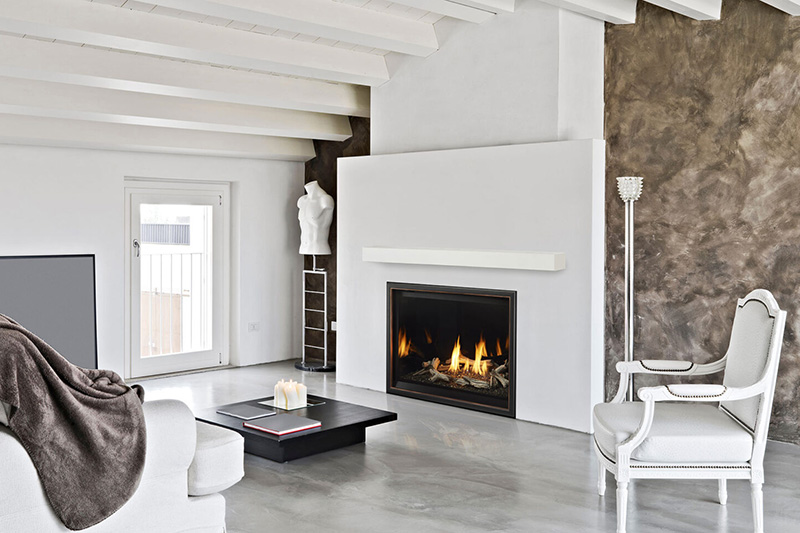
A simple, sleek fireplace in a white modern home layout.

Cook Your Next Meal on the Fireplace

Cook Your Next Meal on the Fireplace.

If you have an outdoor fireplace, there’s a good chance you’ve roasted a marshmallow or two over it. There’s something extremely satisfying about perfectly cooking (or burning) those little puffs of sugar with nothing but a stick and the flames in front of you. So, why not extend that feeling of satisfaction to your entire meal? There are several ways to cook your dinner using your outdoor fireplace; the hard part is choosing what you want to eat.

4 Ways To Cook On Your Fireplace


On A Stick.

Probably the simplest and most foolproof way to cook over a fire is with a stick. The easiest foods to cook with just a stick are marshmallows and hotdogs, but you can get fancy and wrap some refrigerated dough around your hotdog to create an at-home corn dog. The biggest downfall of cooking on a stick is that you’ll probably end up wasting some food, as it can fall off the sticks fairly easily. It also takes patience and a steady hand to ensure your food is cooked evenly and thoroughly.


With A Rotisserie.

While quite a bit larger than a simple stick, fireplace rotisseries are still a fairly simple piece of equipment to use. Rotisseries are perfect if you’re looking to cook a big piece of meat, as they sit in front of the flames and slowly cook your food to perfection. Some rotisseries even come with two separate spits, so you can cook a chicken on one, and veggie kabobs on the other. One con associated with rotisseries is they’re best used for large pieces of meat, so they may not make sense if you’re cooking for one or two. They can also block your view of the flames during cooking time.


Pie Iron Cooking.

A pie iron is two shallow metal bowls (varying in shape), that fit together and are attached to a long handle. To use them, you fill the bowls will food, snap them together, and then cook. Pie irons are most commonly used to make Panini like sandwiches, but really, the sky is the limit with what you can cook in these gadgets. The hardest part about cooking with pie irons is determining when your food is fully cooked. You don’t want to open them too soon or your dinner won’t be done. Also, be sure to properly season your pie irons and cover the inside with butter or oil before cooking, so food doesn’t stick to the inside.


Use A Dutch Oven.

Ideal for soups or stews, to cook with a Dutch oven over your outdoor fireplace, you’ll want to invest in a fireplace crane. This holds the pot above the flames and ensures even cooking. Most Dutch ovens are made of cast iron, which retains and distributes heat incredibly well. Essentially, you can use a Dutch oven the same way you would use a large pot on your stove; make soup, braise meat, even scramble eggs. The biggest issue in cooking with Dutch ovens is they’re heavy and you will need a fireplace crane to properly cook with one.


Try something new this summer and surprise your family with a truly outdoor dining experience. If you’re looking for an outdoor fireplace or have questions about whether one would work on your property, stop by one of our Fireside Home Solutions locations.

Posts navigation

1 2 3 4 5